What Does Semi-Custom Actually Mean? Everything Homebuyers Need to Know
What does semi-custom mean in Orlando new construction? Learn what builders let you change, how allowances and change orders work, and what to check before you sign.
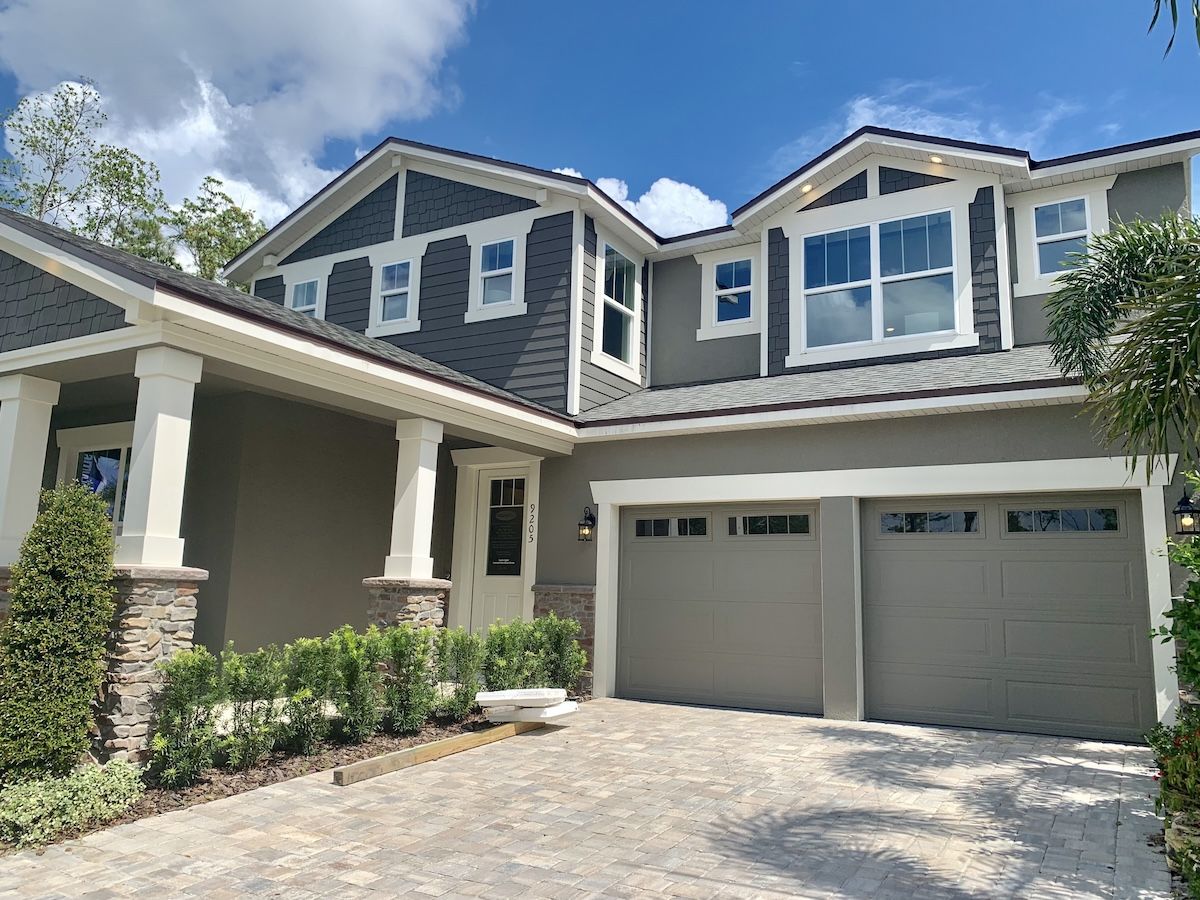
If you are comparing new construction homes in Orlando, you may encounter labels such as production, custom, and semi-custom. The challenge is determining what each builder will let you change and where the limits begin.
This guide explains how semi-custom homes compare with production and fully custom builds. It also shows what to review before choosing a builder, signing a contract, or paying for upgrades.
Semi-custom is not a code term or a single legal standard. It's common industry practice that sits between a fixed plan and a from-scratch design. As a new construction real estate agent in Orlando, I can help you compare builder options, incentives, community requirements, and important contract deadlines before you commit.
TL;DR
- Semi-custom usually means you start with a builder plan and can personalize finishes and make limited layout tweaks.
- It offers more design control than production homes, with less complexity than fully custom builds.
- Your contract governs changes. Allowances set spend targets, while change orders formally modify scope, price, and time.
- Financing may use a construction or construction-to-permanent loan. Lender rules and conversion terms vary.
- Building codes still apply the same as any new home. Expect plan review, permits, and inspections.
What Semi-Custom Means for Homebuyers
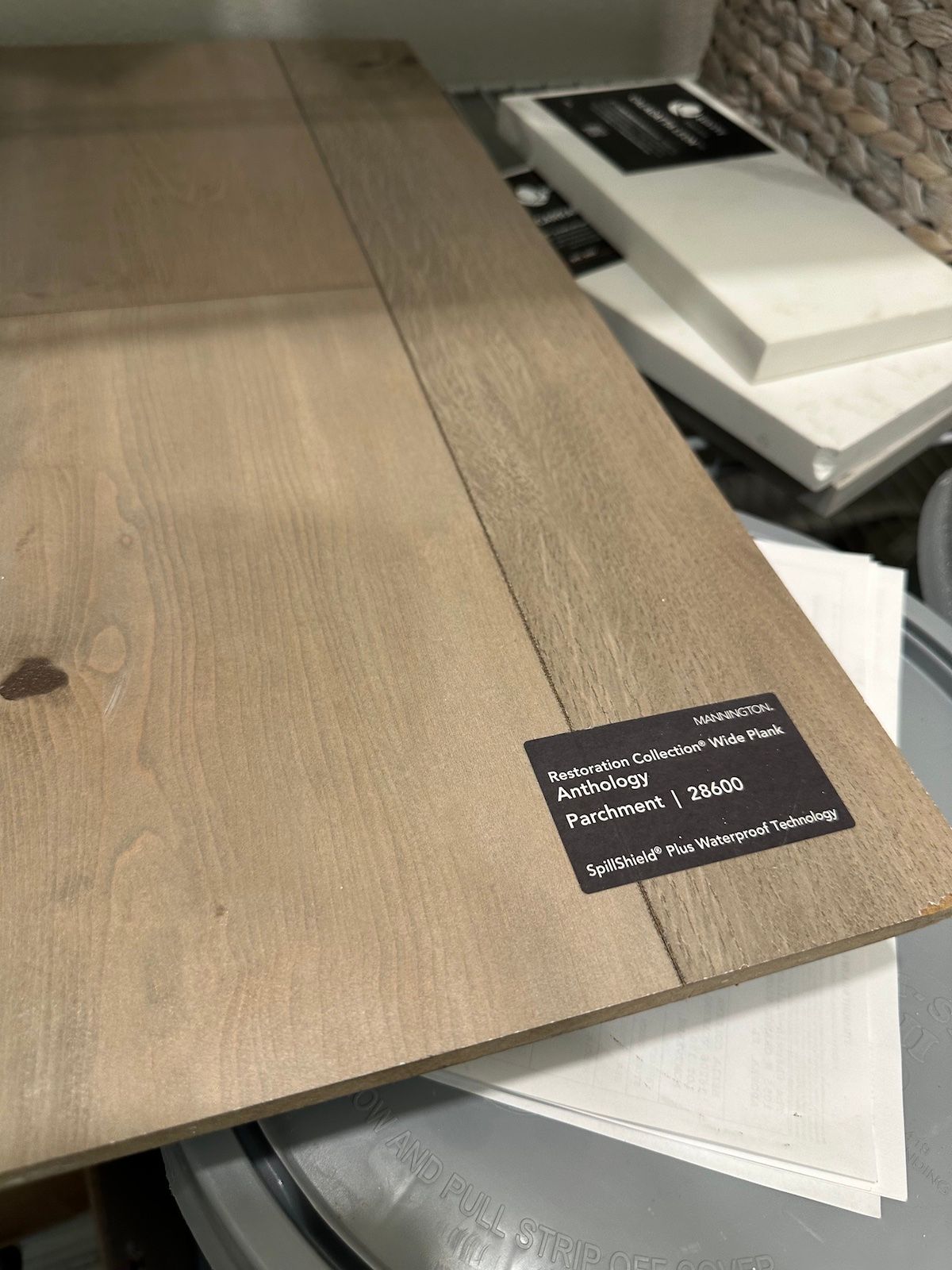
Semi-custom building usually starts with a standard plan the builder has already designed and priced. You choose structural options the builder supports, then personalize cabinets, tile, flooring, fixtures, and similar finish items at a design center.
Some builders permit limited interior wall or room adjustments. Others restrict buyers to pre-engineered options and keep the footprint unchanged.
Unlike a production home, you're not locked into a single specification sheet. Compared to a true custom home, you're not designing one-of-one architecture with full freedom over structure, systems, and detailing. In Central Florida, one builder may use the term for finish selections, while another may include structural options, expanded rooms, or different elevations.
How Semi-Custom Compares to Other Paths
Evaluating build options side-by-side reveals where you gain personalization freedom without taking on full architectural stress.
| Factor | Production | Semi-Custom | Custom |
|---|---|---|---|
| Design Control | Low | Medium | High |
| Structural Changes | Minimal, plan-set only | Limited by builder menu and engineering | Full design freedom with architect/engineer |
| Finish Selections | Preselected packages | Broad choices at a design center | Extensive, subject to budget, availability, engineering, and code requirements |
| Price Predictability | High | Medium | Lower predictability until designed |
| Typical Financing | Standard mortgage on finished home or builder financing | Traditional mortgage at closing, builder-affiliated financing, or a construction loan, depending on the project | Construction or construction-to-perm; more due diligence |
| Best For | Speed and value | Personalization without full custom complexity | Unique design and site-driven needs |
What You Typically Can and Cannot Change
Most semi-custom builders will let you:
- Pick cabinet style, countertops, flooring, paint, lighting, and plumbing fixtures.
- Select supported structural options, such as a third garage bay, an extended covered patio, additional windows, or a larger shower.
- Adjust non-structural elements within limits, like swapping a door swing or reconfiguring a pantry.
They typically will not let you:
- Redesign the foundation, roof structure, or mechanical system beyond engineered options.
- Widen the footprint beyond the plan family or move major load-bearing elements without converting to a custom workflow.
- Substitute unvetted specialty products that affect code compliance or warranties.
Why the guardrails? The builder prices and schedules trades around standard plans and vetted options. Deeper structural changes ripple through engineering, permits, scopes of work, and lead times. That is where projects turn into custom.

The Contract Side: Specs, Allowances, and Change Orders
The model home shows what is possible, but your contract determines what the builder has agreed to provide. As a buyer, pay close attention to these three:
- Specifications: The written scope identifying the products, materials, installation standards, and workmanship the builder has agreed to provide.
- Allowances: Placeholder dollar amounts for items you choose later, such as lighting or tile. If your selections exceed the allowance, you generally pay the difference. Whether unused funds reduce the price or produce a credit depends on the contract. Before visiting the design center, confirm what each allowance covers and how the contract handles overages and unused funds.
- Change Orders: Written amendments to the contract that document a change in the work, plus any price and schedule adjustments. Change-order requirements depend on the contract and form being used. The change, price adjustment, schedule effect, and required approvals should always be documented in writing.
Local law, standard forms, and builder policy can affect how these tools work. AIA construction documents provide one recognized framework for documenting changes, but residential builders may use different contract forms and procedures.
Builder contracts are written to protect the builder’s process, so buyers should review upgrade deadlines, deposit rules, cancellation terms, and change-order fees before signing. With my local realtor knowledge, I can identify these decision points and ask the builder the right questions.
Budget, Financing, and Timeline Basics
Semi-custom budgets include the base price plus variables such as structural options, finish upgrades, lot premiums, allowances, and change orders. The variable part lives in allowances and change orders, so track them with a simple running total and keep a small contingency for wish-list items that surface during design.
Financing depends on whether the builder owns the homesite and finances construction or whether you are hiring a builder for land you already own.
- In many planned communities, the builder funds construction and the buyer closes with a traditional mortgage when the home is complete. Builders may also offer incentives through a preferred lender, such as closing-cost contributions or interest-rate buydowns.
- If you own the land or contract directly with an independent builder, you may need a construction loan or construction-to-permanent loan. Ask how draws, interest payments, rate locks, requalification, and conversion requirements work.
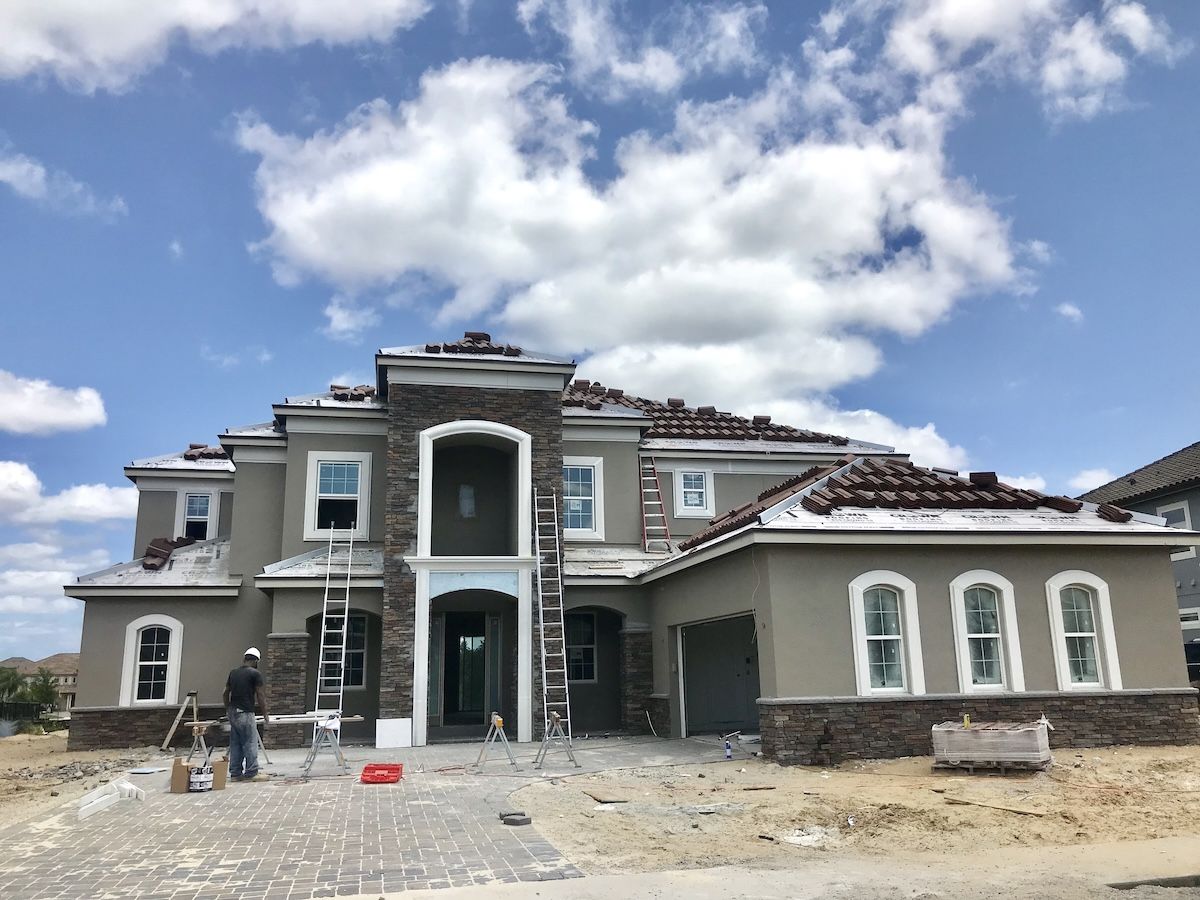
Expect permitting and inspections like any new home. Semi-custom doesn't change building code obligations. The responsible contractor or builder must obtain the required permits and arrange applicable inspections before construction can proceed or be approved.
When comparing Orlando builders, I can help you separate a useful incentive from one that requires a higher rate, limited loan product, or more expensive upgrade package.
Want to see how a base price, structural options, and design upgrades translate into a monthly payment? Plug your numbers into our mortgage calculator to estimate principal, interest, taxes, insurance, and HOA dues, then compare how a builder’s rate buydown or a larger down payment changes the total.
Risks to Watch and How to Avoid Them
Identifying these risks before signing can reduce unexpected costs, selection problems, and construction delays.
- Scope creep: Small upgrades can quickly increase your total. Approve changes only after the builder documents the added cost and schedule impact.
- Unclear allowances: Ask the builder to identify included brands, finish levels, or realistic allowance amounts that match the selections you expect to make.
- Lead times: Ask for the final selection deadlines and confirm which specialty products could delay construction or closing.
- Site limits: Easements, setbacks, drainage requirements, wetlands, soil conditions, and lot dimensions can prevent an otherwise simple plan change. Confirm feasibility before paying a lot premium or structural-option deposit.
- Warranty impacts: An off-menu product may affect builder, subcontractor, or manufacturer warranty coverage. Get written confirmation before approving the substitution.
Examples
Seeing real homebuilder scenarios in action illustrates how flexible floor plans bring personal style to life.
A Smart Kitchen Rework in a Semi-Custom Plan
The buyer selects a semi-custom plan with an L-shaped kitchen and island. During design, they ask to enlarge the pantry and add a wall oven. The builder offers a pre-engineered option that shifts the fridge and stretches cabinetry 12 inches into the breakfast nook.
The pantry grows, the wall oven fits, and HVAC runs stay within the plenum limits. The change order adds cost and two days to the schedule, but permits don't require revision because the structural footprint stays the same.
When a Fireplace Choice Touched the Schedule
A couple picks a linear gas fireplace not in the builder catalog. The unit needs a different vent path and higher clearances than the plan anticipates. The builder prices the change, adds framing details, and routes the vent to preserve code-required separations.
Because framing was already underway, the change order includes a weekend crew premium and a one-week schedule slip. The buyers accept the tradeoff because the allowance for great-room tile will cover part of the added cost.
Actionable Steps / Checklist
Use this checklist to organize the questions, selections, and approvals you may need to manage during a semi-custom build.
- Ask the builder for a matrix of what can and cannot be changed on your plan.
- Read the specifications. Highlight every allowance and note what it must cover.
- Before signing, price your top 5 must-have upgrades, so your budget is honest.
- Confirm how change orders are initiated, priced, approved, and scheduled.
- Ask your lender whether you will use a traditional mortgage or construction financing. Request written details about rates, incentives, closing costs, and qualification requirements.
- Request the selection timeline with cut-off dates tied to lead times.
- Verify that any structural option you want is engineered and included in the permit set.
- Keep a running allowance and change-order log. Update it after every meeting.
- Ask how off-menu products affect warranties and service.
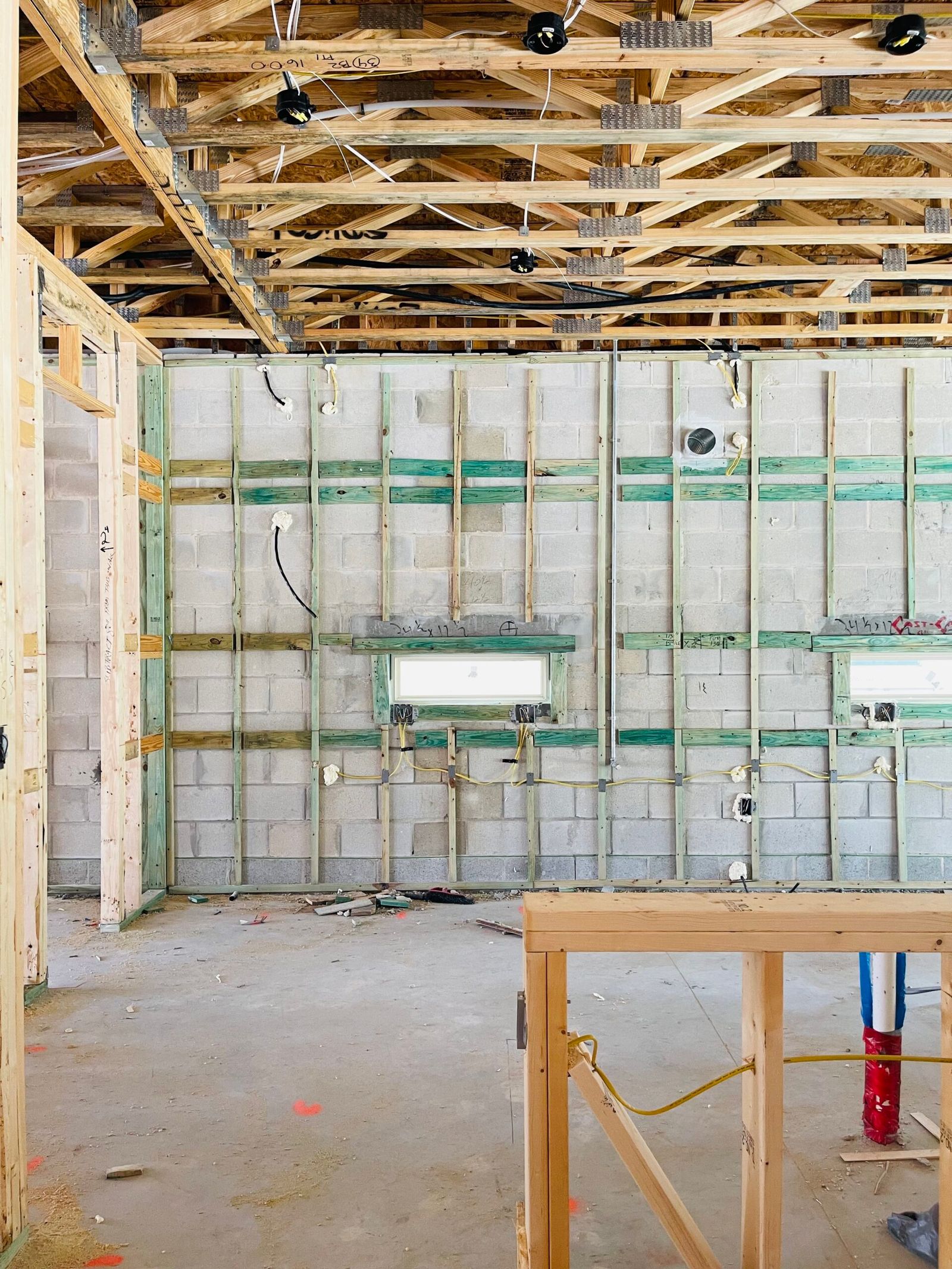
- Ask whether the builder allows an independent pre-drywall inspection or buyer walkthrough. A qualified inspector can assess visible construction, while you can confirm requested layout features and upgrades.
Glossary
Learning construction terms gives you confidence when discussing contract details with your builder.
- Allowance: A placeholder amount in your contract for an item you will select later. You generally pay any overage, while the treatment of unused funds depends on the contract.
- Change Order: A written, signed document that modifies the scope, price, and schedule of the original contract.
- Construction-to-Permanent Loan: One loan that funds construction and then converts to a long-term mortgage when the home is complete.
- Production Home: New build from a fixed plan with limited options, often in a larger community by a volume builder.
- Semi-Custom Home: Built from a standard plan with room to personalize finishes and make limited plan tweaks approved by the builder.
- Specifications: The written list of products, installation standards, and workmanship requirements that define what the builder must deliver.
Final Thoughts
Semi-custom works best when you want meaningful choices without managing a fully custom design. The key is learning what the builder permits before you choose the plan, lot, and upgrade package.
Are you exploring new construction in Orlando and surrounding Central Florida communities? As your local realtor, I can compare builders, clarify available options, evaluate incentives, and monitor important milestones from the model-home visit through closing.
Frequently Asked
Questions, answered
Is semi-custom legally defined the same everywhere?
No. It's an industry term rather than a single legal standard, so each builder sets its own limits within building codes and contract law.
Can I move load-bearing walls in a semi-custom build?
Usually not without moving into a custom workflow. Semi-custom changes are typically limited to pre-engineered options or minor interior shifts.
Do I need a construction loan for semi-custom?
Not necessarily. Many community builders fund construction, and the buyer uses a traditional mortgage at closing, while buyers building on their own land may need construction financing.
Who approves my changes?
The builder determines whether the requested change is permitted. Any approved change should be documented with its price, payment terms, schedule effect, and required signatures before work begins.