New Construction Walkthrough Checklist for Florida Buyers
A room-by-room checklist for every new construction walkthrough in Florida, from pre-drywall to the 11-month warranty walk, plus the documents to collect before closing.

Nicole Mickle
Realtor, Olympus Executive Realty
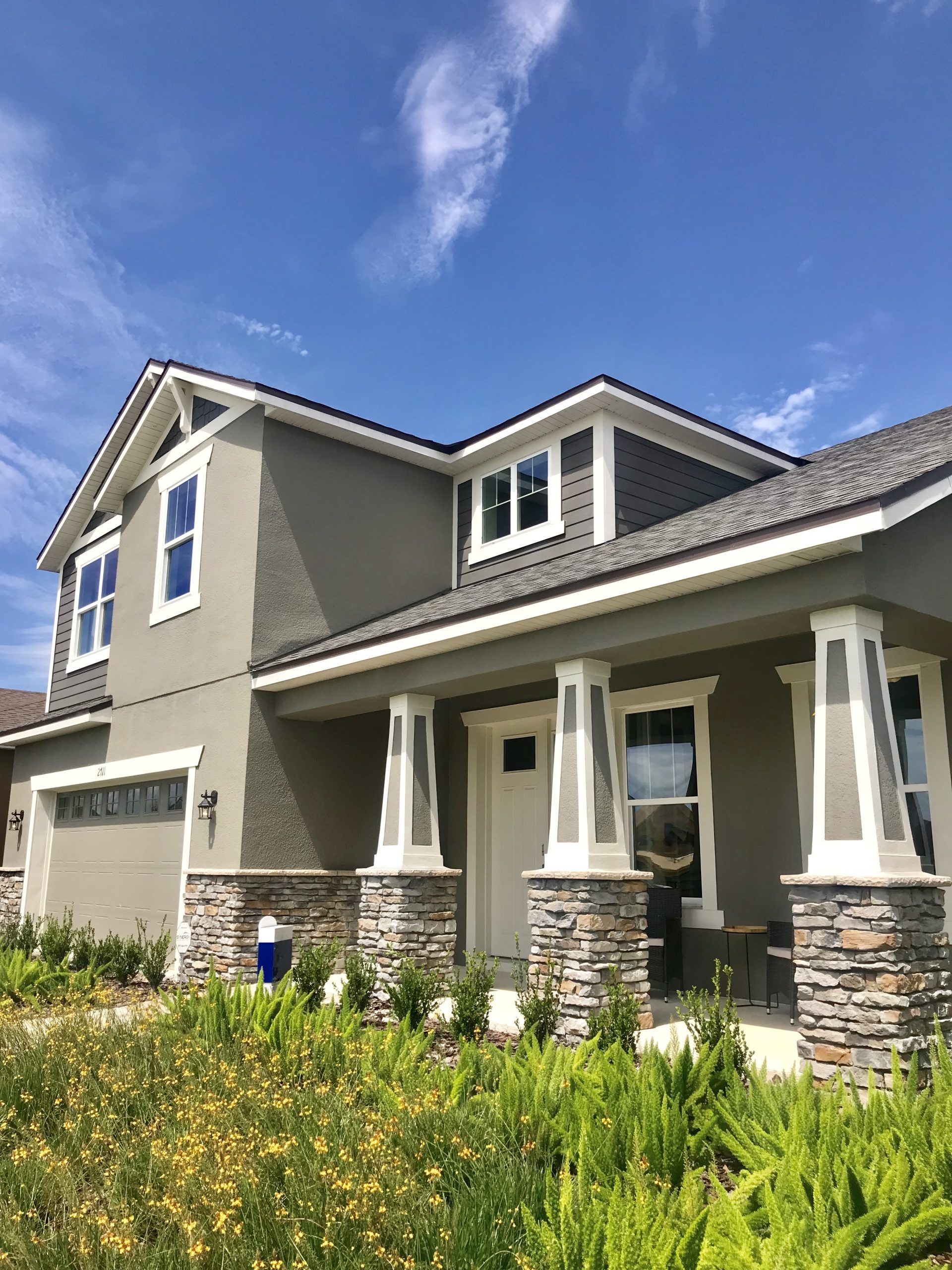
A new construction home passes every county inspection and can still close with a crooked cabinet door, a missing upgrade, and a sprinkler zone that sprays the side of the house. County inspectors check code minimums. Nobody checks your selections, your finishes, or your punch list except you and the people you bring.
This checklist covers every walkthrough on a new build in Florida, from pre-drywall to the 11-month warranty walk, and the Florida-specific documents to collect before you close. I'm Nicole Mickle, a Central Florida relocation and new construction specialist. Before I became a Realtor, I ran a title and closing company for 23 years, so I have seen what happens when walkthrough items are left to a handshake.
What is a new construction walkthrough?
A new construction walkthrough is a scheduled visit where you and the builder's representative walk the home to confirm it was built to plan and to document anything that needs to be fixed. Builders typically schedule three: a pre-drywall walk during construction, an orientation or blue tape walk one to two weeks before closing, and a final walkthrough a day or two before closing. A fourth walk, near the end of the first year, covers warranty repairs.
Is a walkthrough the same as a home inspection?
No. A walkthrough is your visit with the builder. A home inspection is an independent review by a Florida-licensed home inspector who works for you, not the builder. Do both. A new home can pass county inspections and still have workmanship problems, because county inspections confirm the home meets the building code, not that it was finished well.
Before you sign, read the inspection language in your purchase agreement. Some builders limit when outside inspectors can enter the site or require proof of insurance from them. For timing and what each inspection covers, see when to schedule a new construction home inspection.
The four new construction walkthroughs at a glance
| Walkthrough | When it happens | Who attends | What you are checking |
|---|---|---|---|
| Pre-drywall walk | After framing, wiring, plumbing, and HVAC are roughed in, before insulation and drywall | You, the builder representative, your agent, and your inspector | Wall and window placement, outlet and switch locations, plumbing, TV and grab bar blocking |
| Orientation (blue tape) walk | About one to two weeks before closing | You, the builder representative, and your agent | Finishes, cosmetic defects, appliances, and upgrades against your selections sheet |
| Final walkthrough | Usually one to three days before closing | You, the builder representative, and your agent | That every blue tape item is fixed, nothing new is damaged, and utilities are on |
| 11-month warranty walk | Before the first-year workmanship warranty ends | You and the builder warranty representative | Drywall nail pops, settling cracks, grout, sticking doors, and system issues |
What to bring to every walkthrough
- Your purchase agreement and design center selections sheet, so you can confirm every upgrade you paid for
- The floor plan, including any structural options such as an extended lanai or added windows
- Blue painter's tape to mark cosmetic issues
- An outlet tester or a phone charger to test outlets
- A flashlight for closets, the garage, and under sinks
- Your phone, to photograph every item and the room it is in
Leave yourself at least two hours for the orientation walk. Rushed walkthroughs are where small items get missed.
Exterior walkthrough checklist
- Grading and drainage. The ground should slope away from the foundation. After a Florida afternoon storm, look for standing water near the slab, the driveway, and the lanai.
- Stucco and siding. Hairline cracks can appear as stucco cures. Note wider cracks, cracks that start at window or door corners, and gaps where stucco meets trim.
- Roof and gutters. Shingles or tile should lie flat with no gaps, and any gutters and downspouts should carry water away from the house.
- Windows, doors, and garage door. Open, close, and lock every one. Check weatherstripping and confirm the garage door reverses when it meets an obstruction.
- Driveway, walkways, and lanai. Look for cracks wider than a hairline, uneven pavers, and low spots that hold water.
- Irrigation and sod. Run every zone. Sprinkler heads should water the lawn, not the walls, and new sod should be rooted, not dry at the seams.
- Exterior equipment. The air conditioning condenser should sit level on its pad, hose bibs should not drip, and exterior outlets should be GFCI protected.
Interior walkthrough checklist
Walls, ceilings, floors, and trim
- Drywall: nail pops, visible seams, dents, and uneven texture, especially where light hits the wall at an angle
- Paint: drips, missed spots, and color that matches your selections
- Flooring: chips, scratches, lifted edges, and grout lines that are even and fully filled
- Trim and doors: gaps at baseboards and casing, doors that swing on their own or rub the frame
Kitchen
- Cabinets and drawers open, close, and align, with the hardware and finish you selected
- Countertops are free of chips and cracks, with seams where the plan shows them
- Every appliance powers on. Run the dishwasher, heat the oven, test each burner, and check the refrigerator's ice maker and water line
- Water runs hot and cold, the disposal works, and there are no leaks under the sink
Bathrooms
- Run every faucet, tub, and shower for a full minute and watch the drains
- Flush each toilet and check the base for movement or water
- Caulk and grout are complete around tubs, showers, and counters
- Exhaust fans turn on and vent outside the home, not into the attic
Electrical, plumbing, and HVAC
- Every outlet works, every switch controls something, and GFCI outlets reset
- The electrical panel is labeled
- Smoke and carbon monoxide alarms are installed where the plan calls for them
- The thermostat runs both cooling and heat, air flows from every vent, and the filter is in place
- You know where the main water shutoff, the water heater, and the air handler are, and how to reach each one
Florida documents to collect before closing
Your final walkthrough is also the time to confirm you have the paperwork you will need later. Ask your builder or closing agent for:
- Certificate of occupancy. Issued by the county or city once the home passes final inspection. Closing should not happen without it.
- Termite treatment certificate. The Florida Building Code requires termite protection on new homes, and the treatment company issues a certificate of compliance. Keep a copy for future buyers and your pest control company.
- Wind mitigation report. Ask your home inspector to complete Florida's uniform mitigation verification form. It documents your roof, windows, and other wind-resistant features, and it can lower your homeowners insurance premium.
- Warranty documents. Get the written warranty, who administers it, how to submit a request, and what is covered in year one, year two, and beyond. Many builders offer one year of workmanship coverage, two years on major systems, and ten years on structural components, but the details vary.
- Manuals and selections. Appliance manuals, paint colors and finishes, and HOA and CDD contacts. If your community has a CDD, read why year-two taxes cost more on new construction.
What do buyers get wrong at the new construction walkthrough?
The most common mistake is treating the final walkthrough as the first real look. By then, the closing date is set and there is little time to fix anything. Use the orientation walk to find issues, and use the final walkthrough to confirm they were fixed.
From the closing side, the walkthrough list is the last point where you hold real bargaining power. Once you close, open items move into the builder's warranty process and its timelines. That is why these four habits matter:
- Check upgrades against the selections sheet. Wrong cabinet color, a missing outlet, or a standard faucet where you paid for an upgrade is far easier to fix before closing.
- Get every promise in writing. "We'll take care of it after closing" should become a dated punch list item, signed by the builder's representative.
- Don't skip the independent inspection. Passing county inspections means the home meets code. It does not mean the work is finished well.
- Put the 11-month walk on your calendar. It is your last chance to submit first-year workmanship items before that coverage ends.
If a serious defect appears after closing, Florida's construction defect law, Chapter 558, requires homeowners to give the builder written notice at least 60 days before filing a lawsuit, and the builder has 30 days to inspect. Photos and punch lists from your walkthroughs become your record. For legal questions, talk with a Florida real estate attorney.
Should you have an agent at your new construction walkthrough?
Yes. The builder's representative works for the builder. Your agent works for you, knows what is normal for that builder, and keeps the punch list moving between walkthroughs. I attend walkthroughs with my new construction clients, and I work directly with builders across Central Florida.
Timing matters. Many Orlando builders require your agent to register you on your first visit to the sales center, so bring your agent before you tour models. Learn more about using a Realtor for new construction, how to vet an Orlando home builder, and new construction communities across Orlando.
Walk into your new home with someone on your side
If you are under contract on a new build, or about to visit your first sales center, talk with Nicole before your next walkthrough. She will review your contract timeline, attend your walkthroughs, and help make sure what you paid for is what you get.
Frequently Asked
Questions, answered
When is the final walkthrough on a new construction home?
The final walkthrough on a new construction home usually happens one to three days before closing. Its job is to confirm that every item from your earlier orientation or blue tape walk was fixed and that nothing new was damaged. Check your purchase agreement for the exact timing, since each builder sets its own schedule.
Do I need a home inspection on new construction in Florida?
Yes. County inspections confirm a new home meets the Florida Building Code, but they do not check workmanship, finishes, or whether you received the upgrades you paid for. Hire a Florida-licensed home inspector for a pre-drywall inspection and a final inspection before closing, and read your contract first, since some builders set rules for outside inspectors.
What is a blue tape walkthrough?
A blue tape walkthrough is a walk through your new home, usually one to two weeks before closing, where you mark cosmetic issues with blue painter's tape. Common items include paint touch-ups, drywall dents, scratched fixtures, and gaps in caulk or trim. The builder then fixes the marked items before your final walkthrough.
Can I delay closing if the builder has not fixed walkthrough items?
Usually not for cosmetic items. Many builder contracts treat the home as complete once the certificate of occupancy is issued, so minor punch list items do not delay closing. Read your contract before you sign, and make sure every open item is written on a dated punch list signed by the builder's representative.
What is the 11-month warranty walkthrough?
The 11-month warranty walkthrough is a visit near the end of your first year, before the builder's one-year workmanship warranty ends. It is your chance to report items that showed up as the home settled, such as drywall nail pops, small cracks, grout gaps, and doors that stick. Schedule it on your calendar the day you close.