Using a Realtor for New Construction: Navigating Your Build with Expert Help
Why to use your own Realtor for new construction in Orlando: who the builder's agent represents, builder contracts, lot premiums, lender delays, and warranties.

Nicole Mickle
Realtor, Olympus Executive Realty
TL;DR
- The builder's sales agent represents the builder. A buyer's agent represents you, from the first model home visit through closing and the walkthrough.
- Bring your agent into the process before your first visit to a model home. Some builders will only work with your agent if they are involved from that first visit.
- A new construction agent keeps the sales, construction, closing, and lender teams moving, reviews the builder contract with you, and compares pricing, lot premiums, and upgrades to recent sales.
- Many builder warranties follow a 1-2-10 structure: one year for workmanship, two years for systems, and ten years for structural defects. Coverage varies, so read your builder's actual warranty.
- Construction delays can mean extra moving costs, temporary housing, or an expiring rate lock, which is why follow-up matters.
Buying a brand-new home feels exciting. Until communication breaks down, paperwork piles up, and your moving plans depend on a closing date that keeps changing.
That is the part of new construction most buyers do not see coming. The model home is polished, the sales team is friendly, and the process looks simple. Then the contract arrives, the construction schedule shifts, and the lender asks for the same document a third time.
I'm Nicole Mickle, a Central Florida relocation and new construction specialist. I have spent 30 years in this industry as a loan officer, a title and closing agent, and now a Realtor, so I see a new construction transaction from every side of the table. This guide explains what your own agent does in a builder sale, and why it matters most before you ever walk into a model home.
Do you need a Realtor for new construction in Orlando?
Yes, if you want someone whose job is to represent you. The friendly person at the builder's sales center works for the builder, and their job is to sell the builder's homes on the builder's terms. A buyer's agent works for you: reviewing the contract with you, comparing the price to the market, following up with every team involved, and protecting your timeline through closing.
Many Central Florida builders offer compensation to a buyer's agent, but terms vary by builder and by community. Since August 2024, most buyers also sign a written agreement with their agent before touring homes, and that agreement spells out how your agent is paid. Confirm the builder's policy in writing before your first visit so there are no surprises.
| Question | Builder's sales agent | Your buyer's agent |
|---|---|---|
| Who do they represent? | The builder | You |
| Contract review | Explains the builder's standard contract | Reviews terms with you and flags items for legal review |
| Pricing | Quotes the builder's price and incentives | Compares price, lot premiums, and upgrades to recent sales |
| Lot and floor plan | Shows what is available | Weighs each option against your needs and resale |
| Timeline and lender | Shares the builder's schedule | Follows up across sales, construction, closing, and lender |
| After closing | Refers you to warranty service | Helps you track the walkthrough list and warranty timing |
Bring your agent before you visit the model homes
The most common mistake I see is a buyer who tours a few model homes on a Saturday, signs in at the sales center, and calls an agent afterward. Some builders will only work with your agent if that agent registered you or came with you on your first visit. Policies vary by builder, so a quick call before you tour protects your ability to have representation.
It also helps to start with the right shortlist. See the best home builders in Orlando and how to research a home builder before you go.
What does a new construction Realtor actually do?
Here is where my role mattered in a recent new construction transaction, and where it matters in most of them.

Keeping everyone on the same page
A builder sale has more moving parts than a resale: a sales team, a construction team, a closing team, and your lender, each with its own schedule. When those teams are not communicating clearly, appointments get missed and orientations need to be rescheduled. I follow up, confirm details, and push for clear answers so you can plan your move.
Looking closely at the contract
An 80-plus-page DocuSign package is a lot to absorb, and builder contracts are written to protect the builder. Deposits, construction delays, change orders, and closing date language all deserve attention. I help identify terms that need a closer look, bring your questions forward, and flag issues that may need review by a real estate attorney before you sign.
Looking beyond the model home
Model homes are built to sell upgrades. I review comparable homes, pricing, lot premiums, and upgrades in the context of your needs and potential resale value. A beautiful home should also make sense for your bigger financial picture. If you are still weighing a builder home against an existing one, start with new build or resale.
Staying ahead of lender requests
Repeated documentation requests and slow follow-up can put pressure on your closing timeline. I stay in communication with your lender, help clarify what is still outstanding, and keep requests moving so the file is ready when the house is.
Delays can mean extra moving expenses, temporary housing, or an expiring rate lock. That is why the details matter. For more on how builders set and change dates, read what to expect with a new construction closing date.
Choosing the right lot and floor plan

Your lot is the one thing you cannot change after closing. Lot premiums for water views, preserves, corner lots, or larger yards can add meaningful cost, and not every premium returns that money at resale. Before you pick a homesite, look at:
- Orientation: Which way the back of the home faces affects afternoon sun, pool use, and cooling costs in Central Florida.
- What is next to it: Future phases, retention ponds, amenity centers, and main roads all change how a lot lives and sells.
- Floor plan fit: Room placement, traffic flow, and flexible spaces should match how you live today and how the next buyer may want to live.
Negotiating upgrades and builder incentives
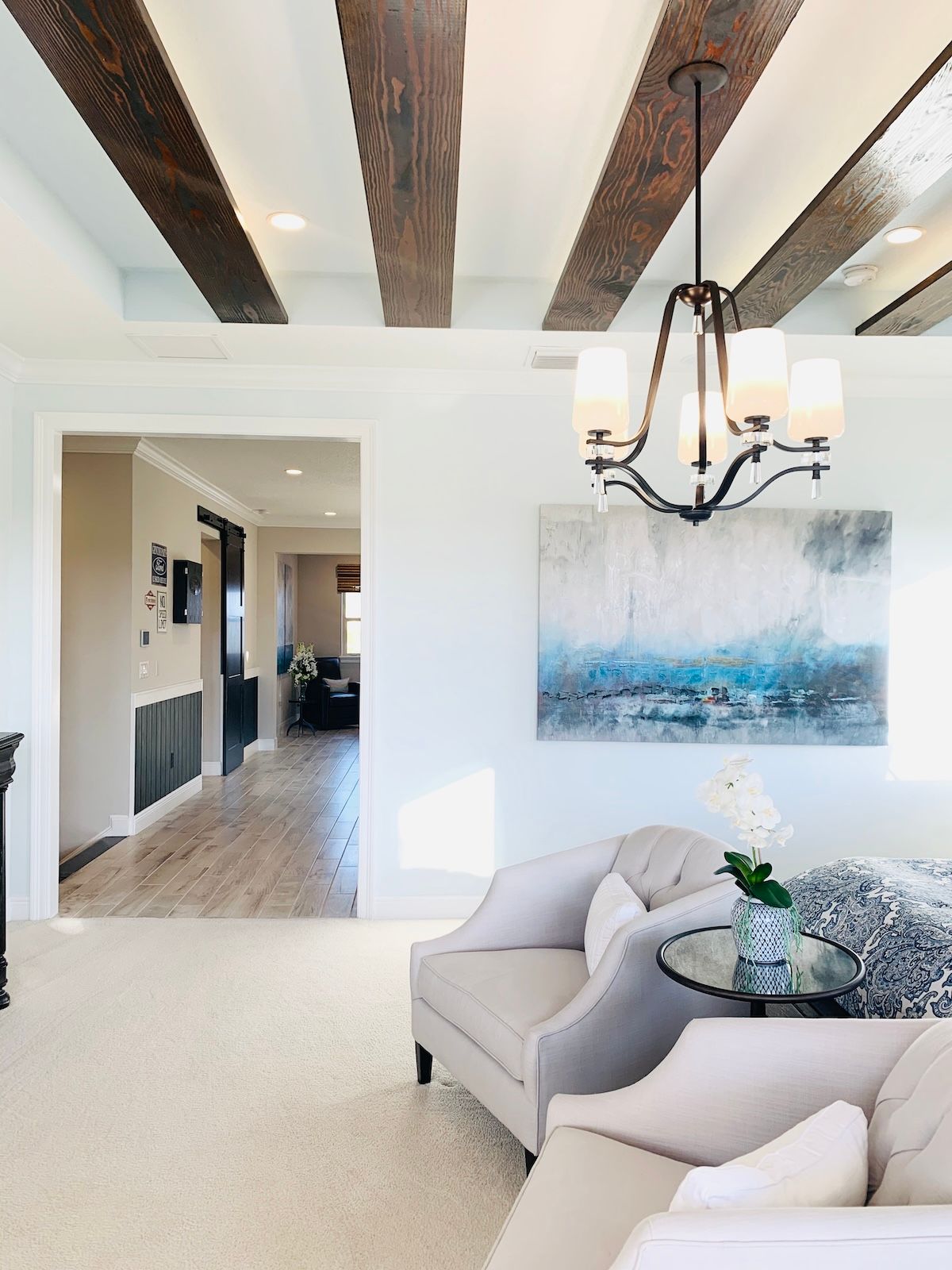
Builders price upgrades at the design center, and they move faster than most buyers expect. Structural options, such as extra bedrooms or extended lanais, usually have to be chosen early. Cosmetic finishes come later. I help you separate what belongs in the build from what is better done after closing, and what is actually negotiable on new construction.
Builder incentives are often tied to using the builder's affiliated lender or title company. Read exactly what an incentive requires before you count it, and compare the full cost, including closing costs on new construction. Your lender is the right person to compare loan terms; my role is to make sure the contract, timeline, and incentive terms line up.
Inspections during construction
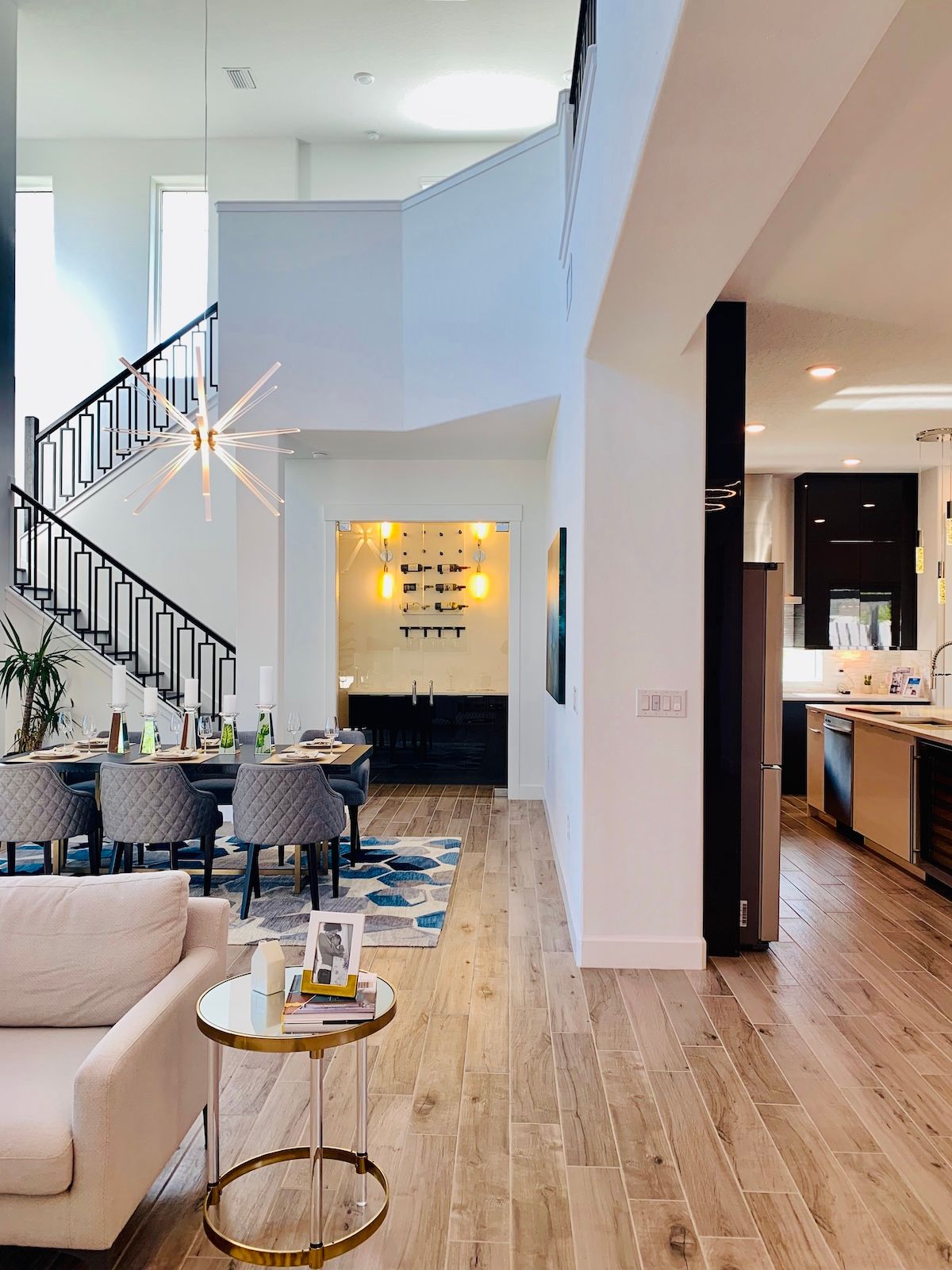
A brand-new home can still have problems, and the best time to catch them is before drywall goes up. Many buyers schedule a pre-drywall inspection, a final inspection before the walkthrough, and an inspection before the first-year warranty ends. Ask the builder about inspection access in writing. See how to schedule new construction inspections and what to check at your new construction walkthrough.
A thorough inspection typically covers:
- Electrical systems
- Plumbing
- HVAC systems
- Structural framing and foundation
- Insulation and ventilation
- Roofing, windows, and exterior drainage
How builder warranties work
Many new homes come with a 1-2-10 warranty structure. It is common, but not universal, so read your builder's actual warranty document before you sign.
- One year: Workmanship and materials, such as drywall, paint, trim, and flooring.
- Two years: Systems such as plumbing, electrical, and HVAC distribution.
- Ten years: Major structural defects, often backed by a third-party warranty company.
Ask how warranty requests are submitted, how quickly the builder responds, and what is excluded. Then put a reminder on your calendar about 30 days before the one-year mark, which is the last chance to report cosmetic items under most first-year coverage.
What most buyers get wrong about new construction
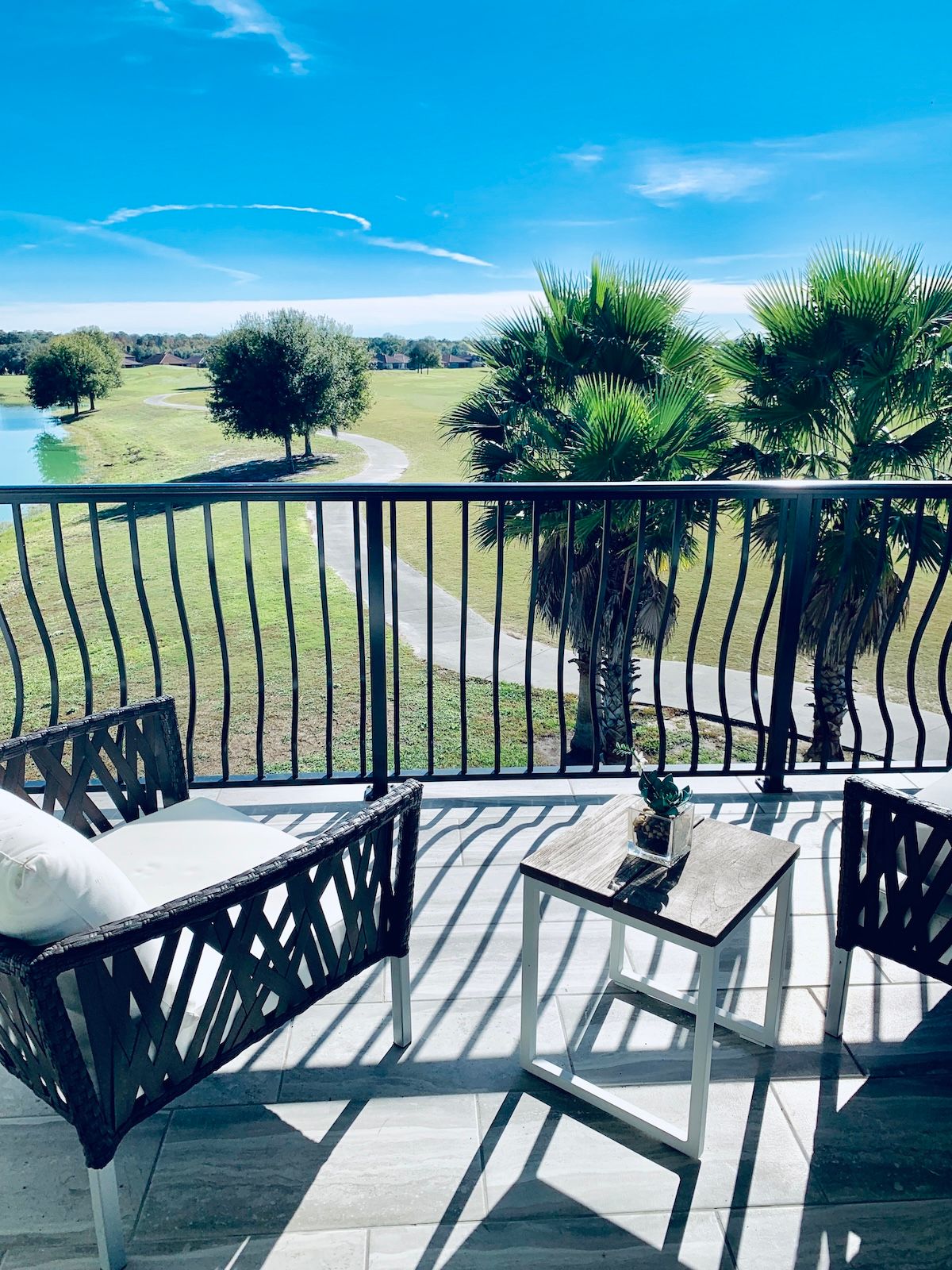
Most buyers treat the estimated completion date as a promise. It is not. Builder contracts usually give the builder room to move the closing date, and the risk of that delay falls on you: a lease that ends too soon, movers booked for the wrong week, or a rate lock that runs out.
When I ran a closing company for 23 years, the files that went sideways were rarely about the house. They were about timing: a lender condition nobody followed up on, a survey that came in late, a closing date that moved and no one told the buyer. Plan for flexibility on your move, ask your lender about rate lock options for new construction, and keep someone accountable for follow-up.
Why work with Nicole on new construction
Every builder and every transaction is different. But if you expect attentive service, clear communication, and someone advocating for you throughout the process, that is what I bring.
My 30 years in the industry as a loan officer, title closing agent, and Realtor help me see a transaction from multiple angles. I know where to look, which questions to ask, and how to anticipate problems before they become your problems. Explore current options on the New Construction page, see 12 more reasons to use a buyer agent for new construction, or start narrowing communities with the Neighborhood Quiz.
Thinking about new construction in the Orlando area?
Let's talk about your options before you visit the model homes.
Frequently Asked
Questions, answered
Do I need a Realtor to buy new construction?
You are not required to have one, but the builder's sales agent represents the builder, not you. Your own agent reviews the builder contract with you, compares pricing, lot premiums, and upgrades to recent sales, and follows up with the sales, construction, closing, and lender teams so your timeline stays on track through closing.
When should I bring my agent into a new construction purchase?
Before your first visit to a model home or sales center. Some builders will only work with your agent if that agent registered you or attended your first visit. Policies vary by builder, so confirm the builder's agent policy in writing before you tour, and ask how your agent will be compensated.
Does the builder pay my agent's commission?
Many Central Florida builders offer compensation to a buyer's agent, but terms vary by builder and community. Since August 2024, most buyers sign a written agreement with their agent before touring homes, and that agreement spells out how the agent is paid. Confirm the builder's policy in writing before your first visit.
What does a builder warranty usually cover?
Many builders use a 1-2-10 structure: one year for workmanship and materials, two years for systems such as plumbing, electrical, and HVAC distribution, and ten years for major structural defects. Coverage and exclusions vary, so read the builder's actual warranty and report first-year items before that coverage ends.