Pros and Cons of Living in Orlando, Florida
Thinking about moving to Orlando? An Orlando relocation Realtor's honest look at the pros and cons, from no state income tax and year-round outdoor living to heat, hurricanes, insurance, and traffic.

Nicole Mickle
Realtor, Olympus Executive Realty
TL;DR
- Pros: no state income tax, a job market that reaches well beyond tourism, year-round outdoor living, theme parks close to home, and a larger homestead exemption starting in 2027.
- Cons: summer heat and humidity, hurricane season from June through November, high homeowners insurance premiums, I-4 traffic, and limited public transit.
- Home prices: the Orlando-area median sale price was about $400,000 in August 2026, according to the Orlando Regional REALTOR Association, with a wide range by neighborhood.
- Next step: narrow down neighborhoods by commute and budget, then run the numbers with the mortgage calculator.
I help relocation buyers move to Orlando every year, and the question I hear most is simple: what is it really like to live here? Orlando has a lot going for it, but it isn't the right fit for everyone. Here's an honest look at the pros and cons so you can decide with clear eyes. If you're further along in your planning, my guide to moving to Orlando covers neighborhoods, costs, and timelines in more detail.
The Pros of Living in Orlando
No State Income Tax
Florida has no state personal income tax, which is one of the biggest reasons buyers relocate here from states like California, New York, New Jersey, and Illinois. How much you save depends on your income and where you're moving from. Property taxes, insurance, and HOA fees still apply, so it's worth looking at the full picture. My post on the pros and cons of moving to Florida walks through the statewide trade-offs.
A Job Market That Goes Beyond Tourism
Tourism is a major employer, but Orlando's economy is broader than most people expect. Large employers include Walt Disney World, Universal Orlando, AdventHealth, Orlando Health, Lockheed Martin, and the University of Central Florida, one of the largest universities in the country. The region is also a national hub for simulation and training technology, and Lake Nona's Medical City has brought hospitals, research, and healthcare employers to southeast Orlando.
Pay is the trade-off to watch. Florida's minimum wage reached $15 an hour on September 30, 2026 (News 6 WKMG), but salaries in many fields still trail larger metros. Compare any offer against local housing and insurance costs before you commit.
Theme Parks and Attractions Close to Home
Walt Disney World, Universal Orlando Resort (including Epic Universe, which opened in 2025), and SeaWorld Orlando are all a short drive from most Orlando neighborhoods, and LEGOLAND Florida is about an hour away in Winter Haven. Many residents use Florida resident tickets or annual passes and visit for a few hours on a weeknight instead of saving the parks for a vacation.
Outdoor Living Year-Round
Mild winters mean you can walk, bike, boat, and play golf most of the year. A few local favorites:
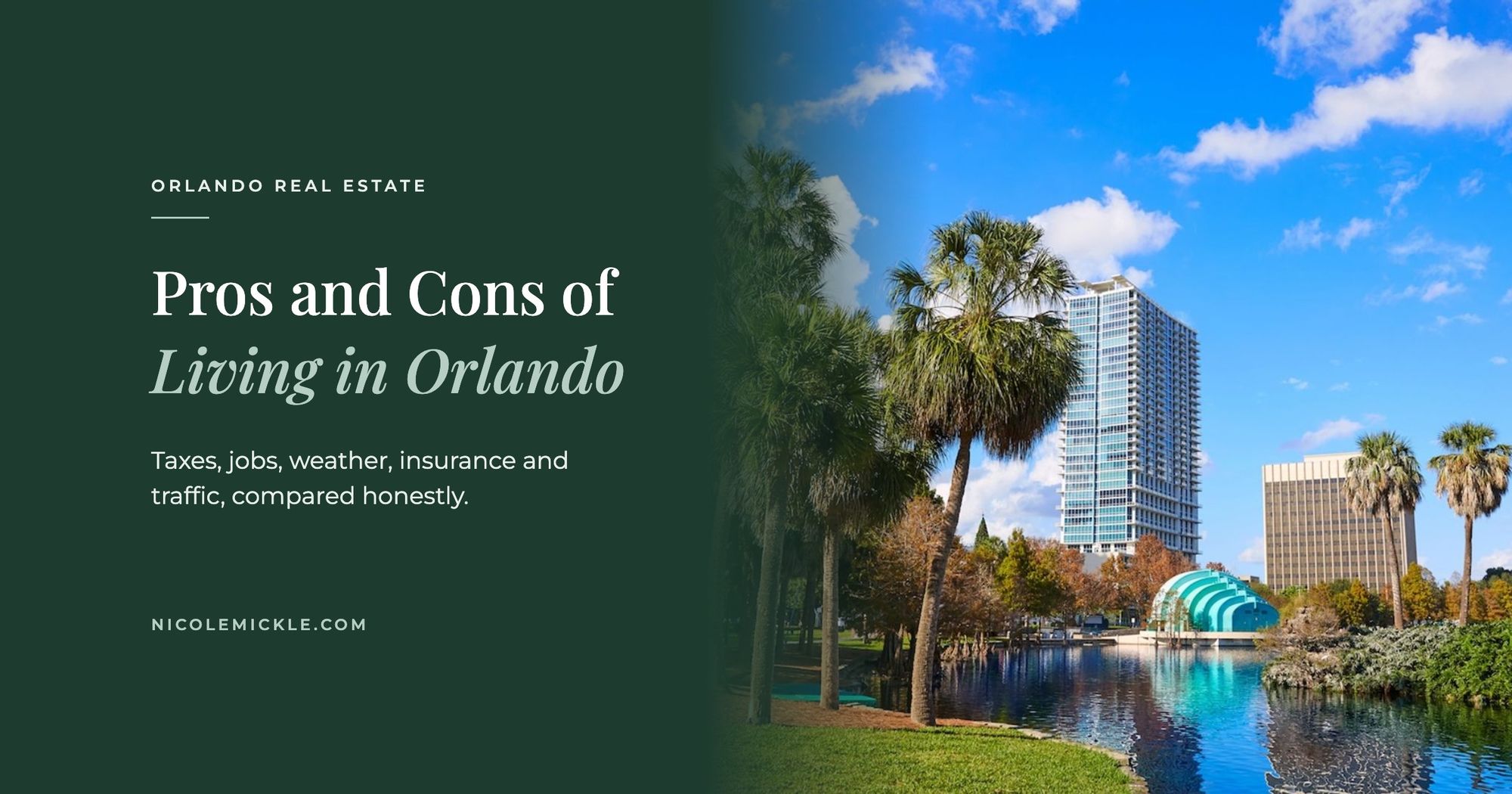
- Lake Eola Park: downtown's signature park, with a walking loop around the lake, swan boats, and a Sunday farmers market.
- Wekiwa Springs State Park: spring-fed swimming, canoeing, and kayaking north of the city in Apopka.
- Harry P. Leu Gardens: a 50-acre botanical garden just north of downtown.
- West Orange Trail: a paved rail trail that runs through Winter Garden and Oakland.
The Atlantic beaches, including Cocoa Beach and New Smyrna Beach, are about an hour's drive, and the Gulf Coast is roughly two hours west.
Arts, Dining and Culture
The Dr. Phillips Center for the Performing Arts hosts touring Broadway shows, concerts, and the Orlando Ballet. The Orlando Museum of Art and the Mennello Museum of American Art sit in Loch Haven Park, and nearby Winter Park is home to the Morse Museum and the shops and restaurants of Park Avenue (see my Winter Park guide). Orlando's dining scene has grown fast, with several restaurants recognized by the MICHELIN Guide alongside food halls, farm-to-table spots, and the noodle shops and cafes of the Mills 50 district.
A Larger Homestead Exemption Ahead
Florida voters approved Amendment 3 on November 3, 2026 (Spectrum News). For homesteaded primary residences, the non-school homestead exemption rises from $50,000 to $150,000 in 2027 and $250,000 in 2028, then adjusts for inflation. School taxes are not affected. Buyers who aren't Florida residents on December 31, 2026 start with the existing exemption and receive the larger amount beginning in the fifth year of their exemption. My post on property taxes on new construction explains how assessments work on a newly built home.
Plenty of Housing Choices
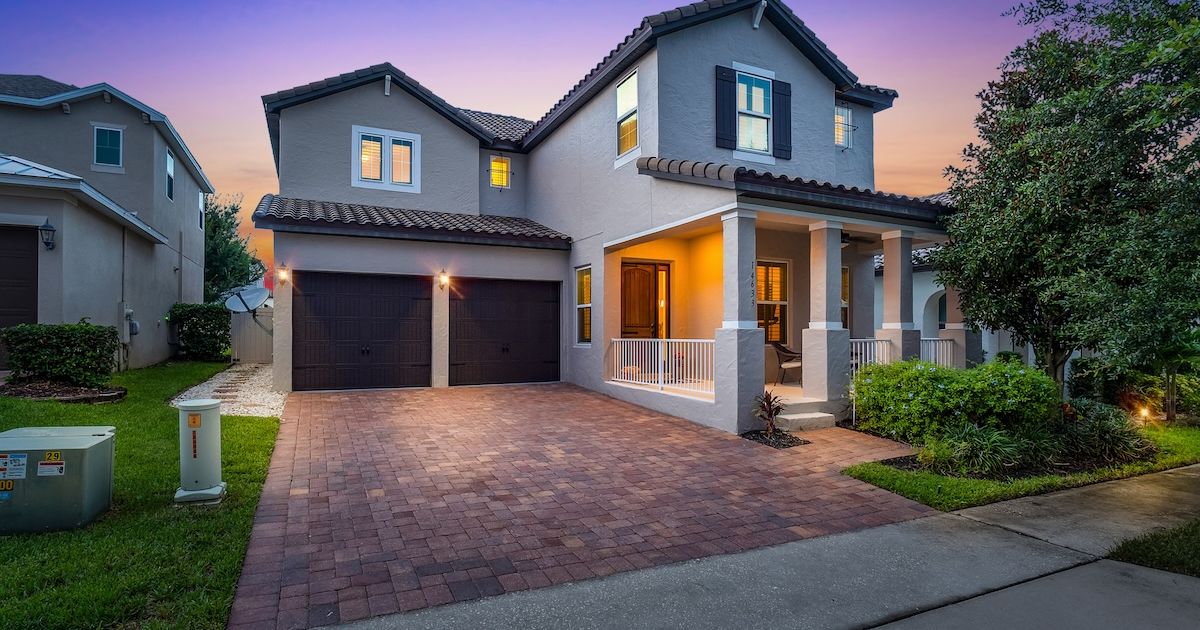
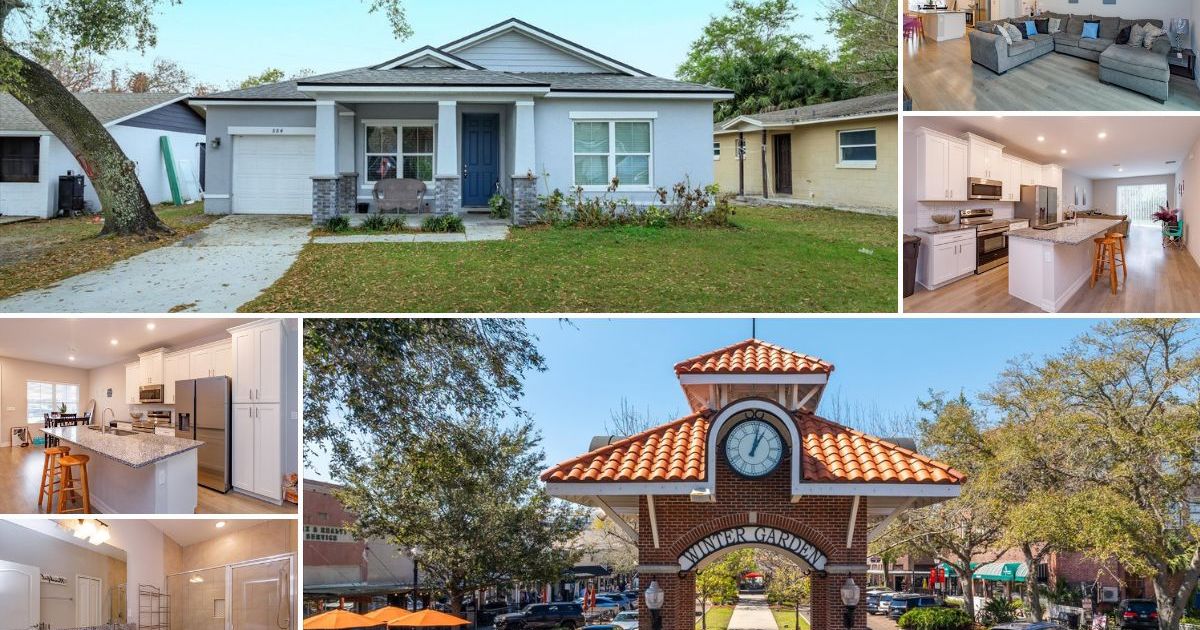
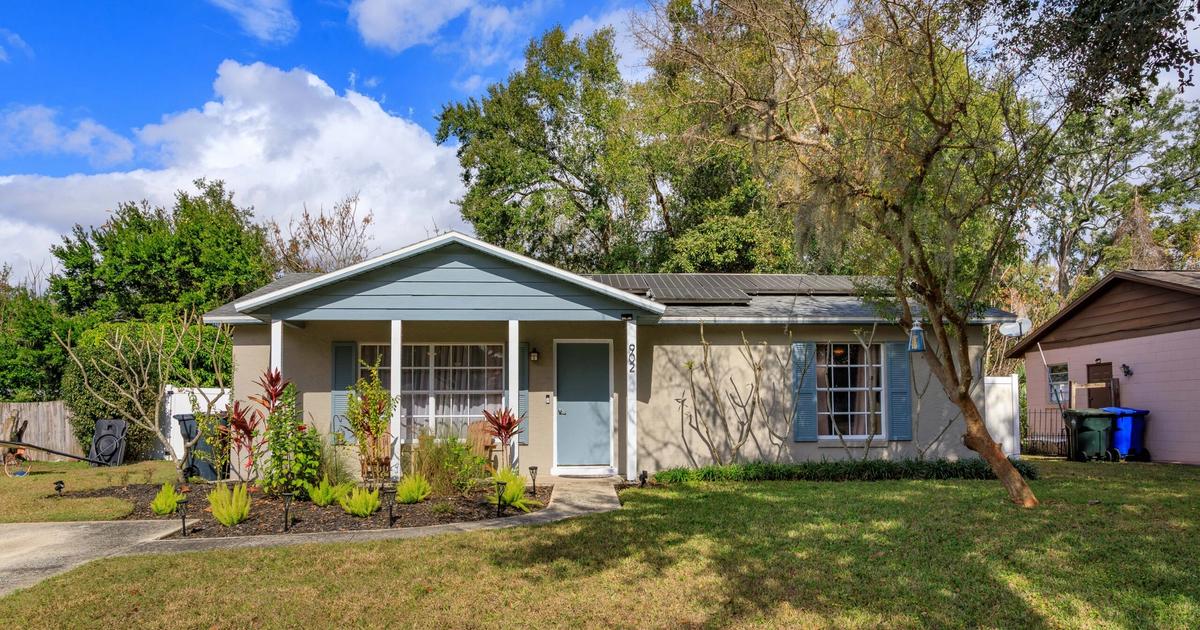
Orlando offers everything from brick streets and 1920s bungalows in historic neighborhoods to new construction in Horizon West and Lake Nona and master-planned communities with trails, pools, and clubhouses. If you'd like to be able to walk to coffee and dinner, start with my list of walkable communities in Orlando. Not sure where to begin? My neighborhood quiz matches your priorities to areas worth a closer look.
The Cons of Living in Orlando
Heat, Humidity and Summer Storms
From June through September, highs are typically in the low 90s with high humidity, and afternoon thunderstorms roll through most summer days. Central Florida also sees some of the most lightning in the country. Plan on a well-maintained air conditioning system and higher electric bills in summer. The good news is that October through April is some of the most comfortable weather you'll find anywhere.
Hurricane Season
Hurricane season runs from June 1 to November 30. Because Orlando is inland, it doesn't face coastal storm surge, but strong wind, heavy rain, localized flooding, and power outages still happen. Before you buy, check the property's flood zone, roof age, and drainage, and put a basic storm plan in place. My post on hurricane season in Orlando covers what to prepare.
Homeowners Insurance Costs
Florida homeowners insurance premiums are among the highest in the country, and they can vary a lot from one house to the next. Get quotes during your inspection period, not after closing. Newer homes built to current code, roofs with plenty of life left, and wind mitigation features usually quote better. Flood insurance is a separate policy, and your lender may require it depending on the flood zone.
Traffic and Limited Public Transit
I-4 is one of the busiest corridors in the state, and traffic around the theme parks and International Drive can be heavy year-round. Most households need a car. SunRail commuter rail runs north to south between DeLand and Poinciana, LYNX operates the regional bus system, and Brightline connects Orlando International Airport to South Florida. Many commutes rely on toll roads like SR 408, SR 417, and SR 429, so budget for tolls.
Home Prices Have Climbed
Orlando is still more affordable than many large metros, but prices have risen a lot since 2020. The Orlando-area median sale price was about $400,000 in August 2026 (Orlando Regional REALTOR Association), and many popular neighborhoods sit well above that. Many newer communities also carry HOA fees or CDD assessments. To see what a monthly payment really looks like, read my breakdown of the monthly cost of a $1 million home in Orlando or try the mortgage calculator.
Tourist Crowds
Orlando welcomes millions of visitors a year. Areas near the parks and International Drive see more traffic and higher prices for dining and entertainment. Most locals learn quickly which roads and times to avoid, and many neighborhoods feel far removed from the tourist corridor.
Is Orlando a Good Place to Live?
For many people, yes, as long as you're comfortable with summer heat, hurricane preparation, and driving most places. The neighborhood you choose shapes your daily life more than anything else: your commute, lot size, HOA or CDD fees, and whether you want new construction or an established home. For more of the details that surprise newcomers, read what nobody tells you about moving to Orlando and my overview of the communities of Orlando. If you're relocating from out of state, my moving to Florida checklist and relocation resources can help you plan.
When you're ready to compare neighborhoods and tour homes, reach out to me and we'll talk through what you're looking for.
Frequently Asked
Questions, answered
Is Orlando a good place to live?
For many people, yes. Orlando offers no state income tax, a job market that reaches beyond tourism into healthcare, aerospace, and technology, mild winters and easy access to theme parks, springs, and beaches. The trade-offs are summer heat and humidity, hurricane season, high homeowners insurance premiums, and a heavy reliance on cars. The neighborhood you choose makes a big difference in how those pros and cons play out day to day.
What are the biggest downsides of living in Orlando?
The most common complaints are summer heat and humidity, daily afternoon thunderstorms from June through September, hurricane season from June 1 to November 30, homeowners insurance premiums that are among the highest in the country, and traffic on I-4 and around the theme parks. Public transit is limited, so most households need a car.
Does Orlando have a state income tax?
No. Florida has no state personal income tax, so Orlando residents pay only federal income tax on wages. You'll still pay property taxes, sales tax, and, in many newer communities, HOA fees or CDD assessments, so it's worth comparing your total housing costs rather than income tax alone.
How much does it cost to buy a home in Orlando?
The Orlando-area median sale price was about $400,000 in August 2026, according to the Orlando Regional REALTOR Association. Prices vary widely by neighborhood, home age, and lot size, and many popular areas sit well above the median. Insurance, property taxes, and any HOA or CDD fees all affect your monthly payment, so run your numbers with a mortgage calculator before you start touring.
How does Amendment 3 affect property taxes in Orlando?
Florida voters approved Amendment 3 on November 3, 2026. For homesteaded primary residences, the non-school homestead exemption rises from $50,000 to $150,000 in 2027 and $250,000 in 2028, then adjusts for inflation. School taxes are not affected. Buyers who aren't Florida residents on December 31, 2026 start with the existing exemption and receive the larger amount beginning in the fifth year of their exemption.
Do you need a car to live in Orlando?
Most residents do. SunRail commuter rail runs north to south between DeLand and Poinciana, LYNX operates the regional bus system, and Brightline connects Orlando International Airport to South Florida, but coverage is limited. A few areas, like downtown Orlando, College Park, and Winter Park, make it easier to walk to dining and errands.