How to Prepare Your Orlando Home for Hurricane Season
A practical hurricane prep guide for Orlando homeowners and buyers: what to put in your kit, how to protect your home, how flood insurance waiting periods and wind mitigation discounts work, and closing during storm season.

Nicole Mickle
Realtor, Olympus Executive Realty
TL;DR
- Hurricane season runs June 1 to November 30. Orlando is inland, so storm surge isn't the threat. Wind, falling trees, power outages, and flooding from heavy rain are.
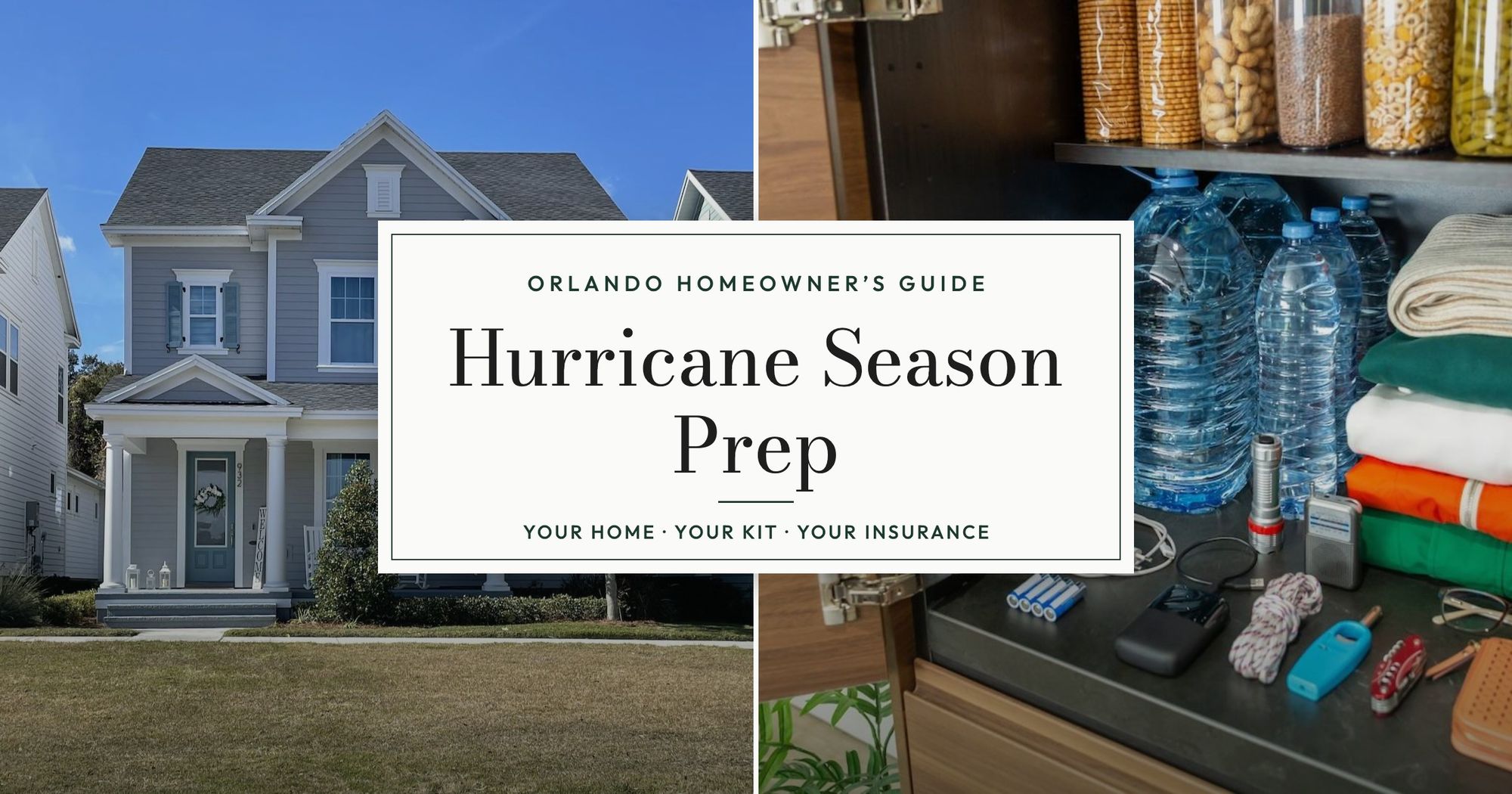
- Build a kit for 3 to 7 days. The Florida Department of Health recommends at least 1 gallon of water per person per day, plus food, medications, batteries, and chargers.
- Flood insurance usually has a 30-day waiting period, so buy it before a storm is forecast. The main exception: coverage bought at a home loan closing takes effect at closing.
- Wind mitigation can lower your premium. Florida insurers must offer discounts for qualifying features, documented on a wind mitigation inspection form that stays valid for up to five years.
- Buying during hurricane season? Bind insurance early. Insurers can pause new policies when a named storm threatens, which can delay a closing.
Hurricane season in Orlando isn't a distant weather report. It's five and a half months of watching the tropics every year, and the homeowners who handle it best do most of their preparation long before a storm has a name. Central Florida has felt hurricanes Charley, Frances, and Jeanne in 2004, Irma in 2017, Ian in 2022, and Milton in 2024, and each one brought down trees, cut power, and flooded low-lying streets far from the coast.
I'm Nicole Mickle, a Central Florida relocation and new construction specialist. I grew up here and spent 23 years running a title and closing company, where insurance and flood questions held up more closings than almost anything else. This guide covers what to do before, during, and after a storm, and what to know about insurance if you're buying a home here.
What is Orlando's hurricane risk?
Orlando's hurricane risk comes from wind, rain, and trees, not the ocean. The city sits roughly 50 miles from the Atlantic coast, so it is outside the storm-surge zones that drive coastal evacuations. Hurricanes that cross the peninsula can still bring hurricane-force gusts, tornadoes, long power outages, and flooding from heavy rain around Central Florida's lakes and low-lying neighborhoods.
Two local conditions add to the risk. Mature oaks and pines are everywhere, and in sandy, saturated soil they can uproot and fall on roofs and power lines. Many neighborhoods also sit around lakes and retention ponds, so heavy rain can flood streets and yards well away from any marked flood zone.
What should be in a hurricane emergency kit?
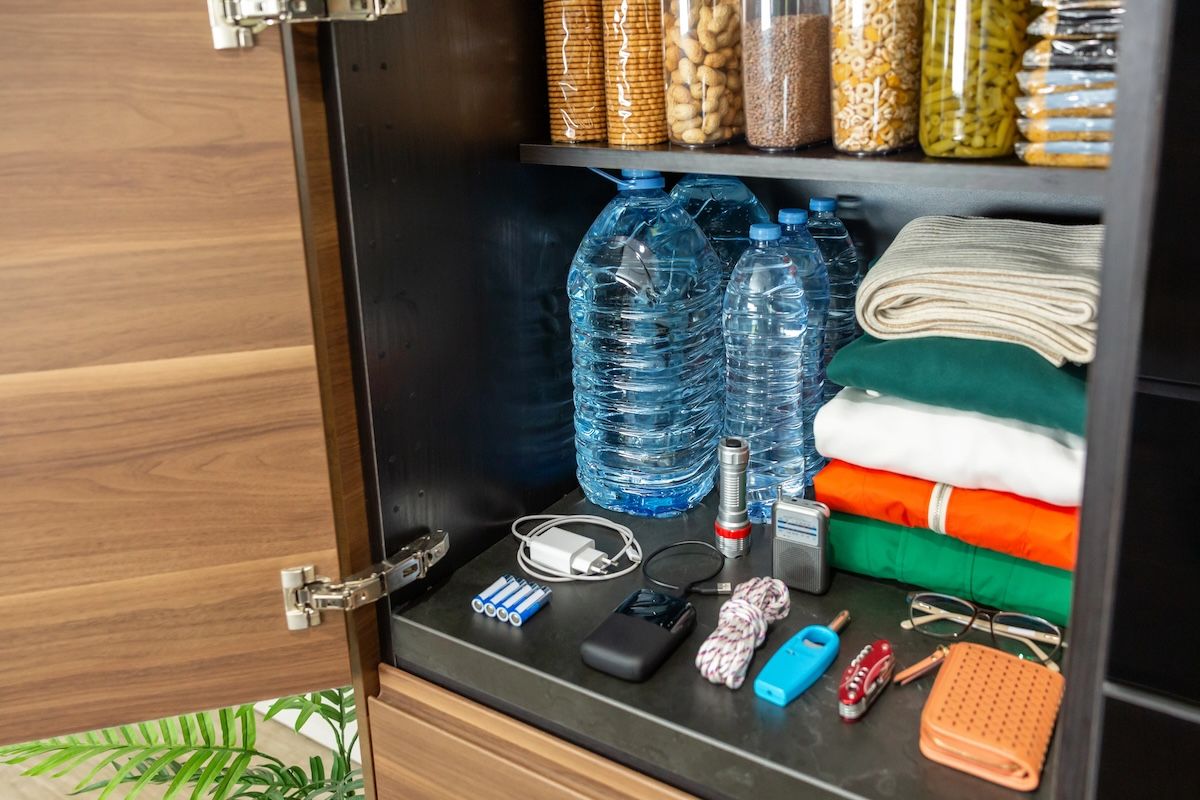
A hurricane emergency kit should cover your household for 3 to 7 days without power or stores. The Florida Department of Health recommends at least 1 gallon of water per person per day. Start building it before June 1, so you're not shopping with everyone else when a storm is forecast.
Water and food
- At least 1 gallon of water per person per day, plus water for pets
- Nonperishable food, a manual can opener, and basic utensils
- Baby food and formula if needed
Power and communication
- A battery-powered or hand-crank NOAA weather radio
- Flashlights, extra batteries, and charged power banks
- A generator, if you have one, run outdoors and away from windows
Medical and personal
- A first aid kit and at least a 7-day supply of prescription medications
- Hygiene items and cash in small bills
- Important documents in a waterproof container
For Central Florida
- Insect repellent, since standing water after storms brings mosquitoes
- Tarps, plastic sheeting, duct tape, and basic tools for temporary roof repairs
How do you protect windows, doors, and the garage?
Windows and the garage door are the most common failure points in a hurricane. Once wind gets inside a home, pressure builds and can lift the roof. The strongest protection is impact-rated windows and doors, which stay in place year-round. Next best are permanent or removable hurricane shutters or fabric panels. Plywood works in a pinch, but it needs to be precut, labeled, and stored before the season starts.
Garage doors deserve special attention because they are large and often the weakest opening. A wind-rated garage door or a bracing kit can make a real difference. Most homes built under current Florida building codes already include stronger openings, which is one reason new construction is often easier to insure.
How should you prepare trees and your yard?
Trim trees before hurricane season, not when a storm is on the way. Hire a licensed arborist to remove dead limbs, thin dense canopies so wind passes through, and flag trees leaning toward the house. Keep branches off the roof and away from power lines, and leave line clearance to the utility.
Before a storm, bring in or tie down patio furniture, planters, grills, and decorations, since anything loose can become a projectile. Clear gutters and downspouts, and make sure yard drains and nearby storm drains are free of debris so water can move away from the house.
How do you check your roof before hurricane season?
Your roof is your home's first line of defense and the biggest factor in your insurance quote. Before June, look for loose or lifting shingles, damaged flashing around vents and chimneys, and missing sealant at roof penetrations. A licensed roofer can inspect what you can't safely reach.
If your home is older, ask about upgrades that improve wind resistance, such as hurricane straps or clips connecting the roof to the walls, secondary water barriers, and a stronger roof covering. These are the same features a wind mitigation inspection documents for insurance discounts.
How do wind mitigation discounts work in Florida?
Florida law requires insurers to offer discounts for construction features proven to reduce windstorm damage. According to the Florida Office of Insurance Regulation, those features are documented on the Uniform Mitigation Verification Inspection Form (OIR-B1-1802), completed by an authorized inspector. The form stays valid for up to five years if the structure doesn't change, and insurers must post their mitigation discount information online.
Features that commonly count include roof-to-wall connections, roof deck attachment, roof shape, a secondary water barrier, and opening protection such as impact windows or shutters. The discount amount varies by insurer and by home, so ask your agent to price your policy with and without the report. Florida's My Safe Florida Home program has also offered free inspections and matching grants for some homeowners when funding is available.
Does Orlando have hurricane evacuation zones?
Because Orange County is inland, evacuation orders here focus on people in vulnerable housing and flood-prone areas rather than coastal storm-surge zones. Before Hurricane Irma in 2017, for example, Orange County ordered a mandatory evacuation for residents of mobile homes. Residents in sturdy homes outside flood-prone areas are generally asked to shelter in place.
Check your county's emergency management site each season, sign up for local alerts, and know where the nearest shelter is, including pet-friendly options. If you plan to leave, go early and decide in advance where you'll stay.
How should you protect documents and belongings?
Keep copies of insurance policies, IDs, deeds, and medical records in a waterproof container, and store digital copies in the cloud. Before the season, walk through your home and record a video of each room, opening closets and drawers, so you have proof of contents if you need to file a claim. Keep your insurer's claims number and your policy number somewhere you can reach without power.
What should you do after a hurricane passes?
After the storm, stay off the roads until officials say they're clear, and treat every downed line as live. Run generators outdoors only, away from doors and windows, to avoid carbon monoxide. Photograph damage before you clean up, make temporary repairs to prevent further damage, and keep receipts, since insurers typically expect you to mitigate further loss. Contact your insurer as soon as you can, and be wary of contractors who show up uninvited asking for large deposits.
What insurance do Orlando homeowners need for hurricanes?
Most Orlando homeowners need two policies: a homeowners policy that covers wind and a separate flood policy. Standard homeowners policies don't cover flood. Read your hurricane deductible, which is often a percentage of your dwelling coverage rather than a flat amount, and confirm your coverage would rebuild the home at today's construction costs.
Flood insurance through the National Flood Insurance Program typically has a 30-day waiting period before coverage starts, so buy it well before a storm is forecast. The key exception matters to buyers: according to FEMA guidance, a policy applied for at or before a loan closing takes effect at closing. Florida's state-backed insurer, Citizens, is also phasing in a flood insurance requirement, and by January 1, 2027 nearly all Citizens homeowners will need flood coverage, according to News4JAX.
What should you know about buying a home during hurricane season?
If you're buying between June and November, start insurance shopping the day you go under contract. Lenders require proof of homeowners insurance, and when a named storm threatens Florida, insurers can temporarily stop writing new policies in the affected area. A closing scheduled during one of those pauses can slip by days.
From the closing side, these steps keep things moving:
- Ask the seller for an existing wind mitigation report and a four-point inspection on older homes.
- Get insurance quotes before your inspection period ends, since the roof's age can change the price or the carrier.
- Check the flood zone and buy flood coverage at closing, when the waiting period doesn't apply.
- Build hurricane season into your closing date and keep a little flexibility.
For more on what to expect, see closing costs on new construction, the pros and cons of moving to Florida, and new construction vs existing homes. You can estimate insurance and taxes in your payment with the mortgage calculator.
What does a year-round hurricane prep timeline look like?
Hurricane preparation works best spread across the year:
- January to March: Review insurance and your hurricane deductible, get a wind mitigation inspection, and schedule tree trimming.
- April to May: Finish roof and structural repairs, test your generator, and restock your kit.
- June 1: Season begins. Confirm your evacuation plan, update your home inventory video, and sign up for alerts.
- 72 hours before a storm: Fill prescriptions and gas tanks, get cash, and charge devices.
- 24 to 48 hours before: Install shutters or panels, secure outdoor items, and set your refrigerator and freezer to their coldest settings.
Not sure which part of Central Florida fits you? Take the quiz
Where you live shapes your hurricane risk, from the age of the home to the flood zone and the trees around it. If you're relocating, take the Central Florida neighborhood quiz to find communities that match how you live, and I'll follow up with homes that fit, including newer homes built to current code.
Frequently Asked
Questions, answered
When is hurricane season in Orlando?
Atlantic hurricane season runs from June 1 to November 30 each year, and Orlando is affected like the rest of Florida. The most active stretch is usually August through October. Because Orlando is inland, the main threats are damaging wind, falling trees, power outages, tornadoes, and flooding from heavy rain rather than storm surge. Preparation should be finished before June 1.
Does flood insurance have a waiting period in Florida?
Flood insurance through the National Flood Insurance Program typically has a 30-day waiting period before coverage starts, so you cannot wait until a storm is forecast. The main exception applies to buyers: according to FEMA guidance, a flood policy applied for at or before a home loan closing takes effect at closing. Private flood policies set their own waiting periods, so check yours.
What is a wind mitigation inspection in Florida?
A wind mitigation inspection documents features that help a home resist hurricane winds, such as roof-to-wall connections, roof deck attachment, roof shape, and impact-rated windows or shutters. The inspector completes Florida's Uniform Mitigation Verification Inspection Form, OIR-B1-1802, which stays valid for up to five years. Florida insurers must offer discounts for qualifying features, so the report can lower your premium.
Do I need flood insurance in Orlando if I'm not in a flood zone?
It is worth considering. Standard homeowners policies don't cover flood, and heavy rain around Central Florida's lakes and retention ponds can flood homes outside mapped flood zones, as Hurricane Ian showed in 2022. Florida's Citizens Property Insurance is also phasing in a requirement, and by January 1, 2027 nearly all Citizens homeowners will need flood coverage.
Can you close on a house in Florida during hurricane season?
Yes, but plan for insurance timing. Lenders require proof of homeowners insurance, and when a named storm threatens Florida, insurers can temporarily stop writing new policies in affected areas, which can delay a closing. Shop for insurance as soon as you're under contract, ask the seller for any wind mitigation report, and buy flood coverage at closing to avoid the waiting period.