Benefits of Buying New Construction in Florida (and the Trade-Offs)
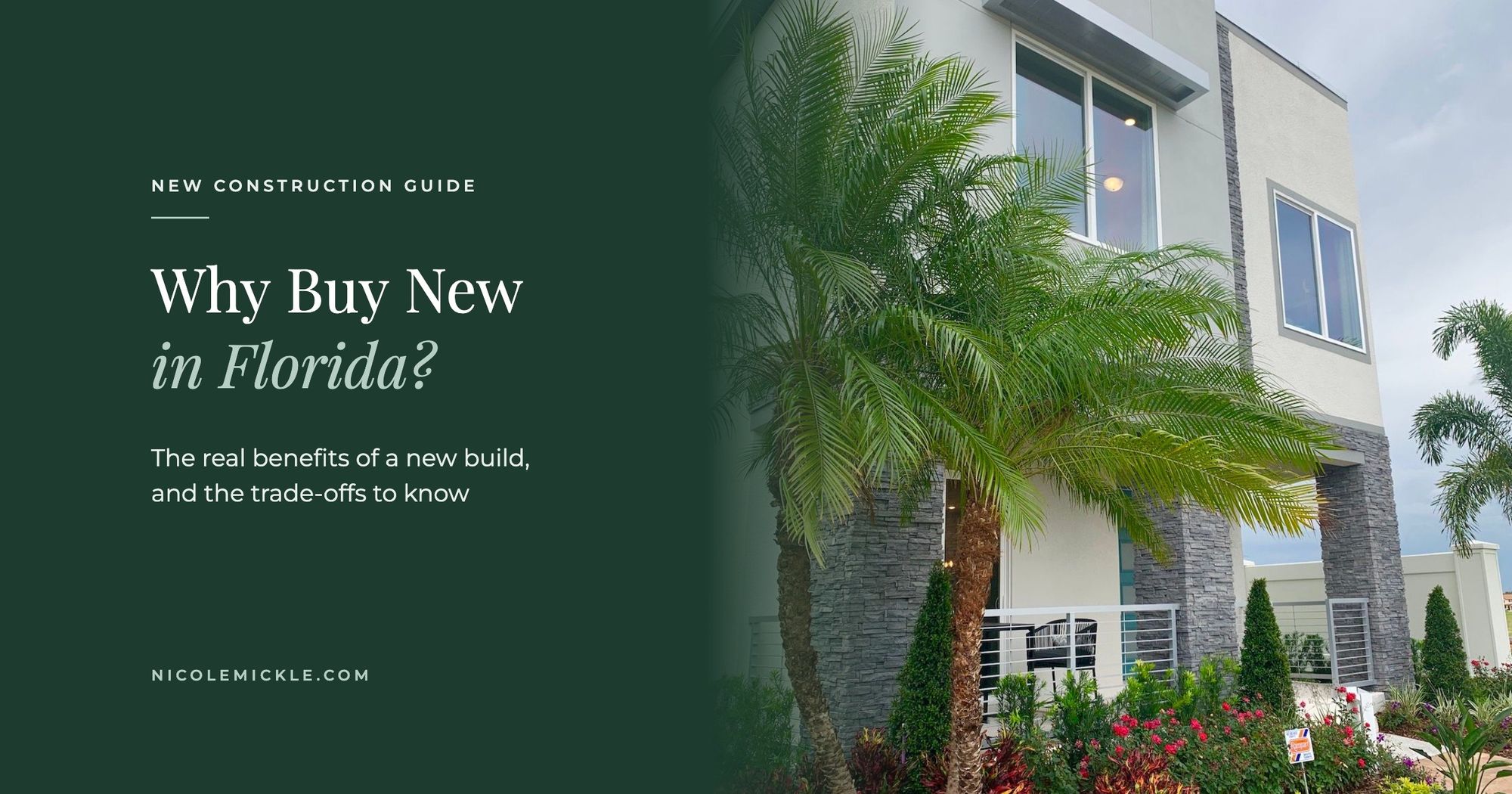
The real benefits of buying a new construction home in Florida, from current building codes and insurance to warranties, plus the trade-offs to know first.

Nicole Mickle
Realtor, Olympus Executive Realty
TL;DR
- Built to current code: new Florida homes are built to the latest Florida Building Code, with wind-resistance standards that can help with insurance.
- Lower near-term repairs: a new roof, new systems, and a builder warranty mean fewer surprise repairs in the first years.
- Choice: you pick the floor plan, finishes, and often the lot.
- Know the trade-offs: CDD assessments, ongoing construction nearby, a jump in property taxes after the first year, and less room to negotiate on popular plans.
New construction is a big part of Central Florida's housing market, and for many of my relocation clients it's the first thing they look at. I'm Nicole Mickle, a Central Florida relocation and new construction specialist, and I work with Orlando-area builders every week. Here are the real advantages of buying new in Florida, along with the trade-offs I make sure every buyer understands before signing a builder contract.
What are the benefits of buying new construction in Florida?
The main benefits of buying new construction in Florida are a home built to the current Florida Building Code, a new roof and systems that can help with insurance and reduce early repairs, a builder warranty, better energy efficiency, and the ability to choose your floor plan, finishes, and lot. The trade-offs include CDD and HOA fees in many communities, living near ongoing construction, and a higher property tax bill once the home is fully assessed.
| Factor | New construction | Resale |
|---|---|---|
| Building code | Current Florida Building Code | Code in effect when built |
| Roof and systems | New, often helps with insurance | Varies, check ages carefully |
| Warranty | Builder warranty included | Usually none, unless purchased |
| Choice | Floor plan, finishes, often the lot | What you see is what you get |
| Fees | HOA and often a CDD | Varies, many have no CDD |
| Lot and trees | Smaller lots, young landscaping | Often larger lots, mature trees |
1. Built to current Florida building standards
New homes are built to the current edition of the Florida Building Code, which includes wind-load requirements developed after Hurricane Andrew. A newer roof and features like impact-rated windows or shutters and roof-to-wall connections can qualify for wind mitigation credits on your homeowners insurance. Ask your builder for the wind mitigation details and have an inspector complete the report so your insurer can apply any discounts.

2. Fewer repairs in the early years
With a new roof, air conditioning system, water heater, and appliances, you're unlikely to face major repair bills in the first several years. That predictability is a big reason buyers relocating from out of state choose new construction. Still, get independent inspections during construction and before closing. My post on when to schedule new construction inspections explains the timing.
3. A builder warranty
Most builders include a warranty that covers workmanship and materials for the first year, major systems for a longer period, and structural defects for up to 10 years, though terms vary by builder. Read the warranty before you sign, keep a list of issues to report before the first-year deadline, and use my new construction walkthrough guide to catch problems at the final walk-through.
4. Energy efficiency
New homes are built to current energy codes, with better insulation, efficient windows, sealed ductwork, and modern air conditioning. In Florida's climate, that can make a real difference in your summer electric bills, especially compared with homes built before the early 2000s.
5. You get to choose
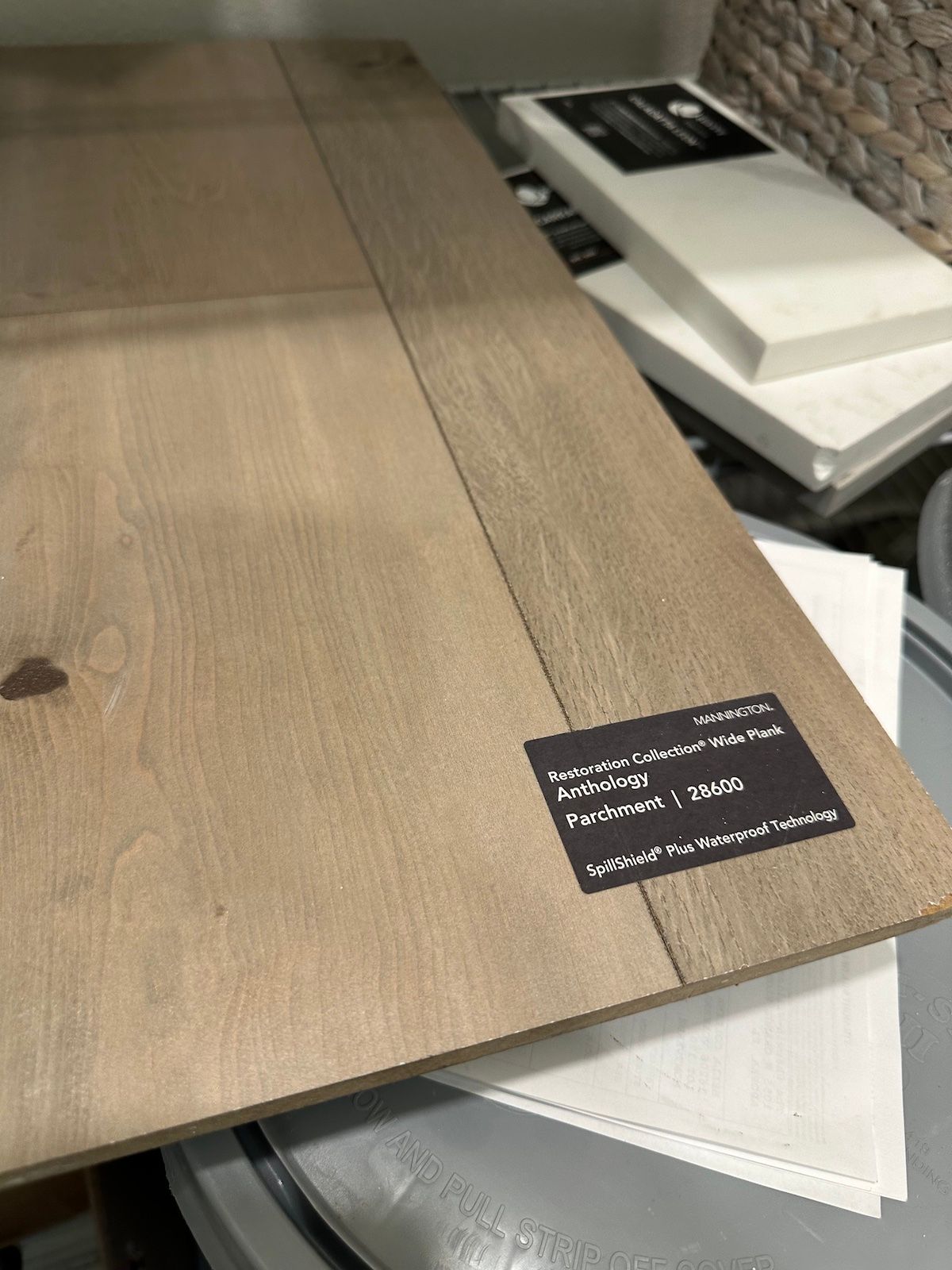
With a to-be-built home, you choose the floor plan, structural options, finishes, and often the lot. With an inventory home, you can move in sooner but with the builder's selections. My guides to semi-custom homes and luxury upgrades for a new build cover what's worth choosing at the design center.

What are the trade-offs?
- CDD and HOA fees: many newer Central Florida communities have both. A CDD assessment appears on your property tax bill. My guide to HOA and CDD fees explains what to ask.
- The year-two tax bill: your first tax bill may cover only the land. My post on property taxes on new construction explains why the second year is higher.
- Construction nearby: in a new community, expect noise and traffic until nearby phases are finished.
- Smaller lots and young landscaping: lots are often smaller than in older neighborhoods, and trees take years to mature.
- Timing: a to-be-built home can take several months, and dates can shift.

Is new construction right for you?
New construction is often the right fit if you want predictable costs, modern systems, and the chance to choose your finishes, and you're comfortable with HOA and CDD fees. If you'd rather have mature trees, larger lots, or an established neighborhood, compare new homes with resales in the same area. My post on whether new construction homes are negotiable covers how to get the best deal, and my guide to purchasing a new construction home walks through the process. When you're ready, reach out to me, and I'll compare builders and communities with you.
Frequently Asked
Questions, answered
What are the benefits of buying a new construction home in Florida?
A new home is built to the current Florida Building Code, has a new roof and systems that can help with insurance, includes a builder warranty, is more energy efficient, and lets you choose your floor plan and finishes.
Is insurance cheaper on new construction in Florida?
Often, yes. A new roof and wind-resistant features like impact-rated windows and roof-to-wall connections can qualify for wind mitigation credits. Get quotes and a wind mitigation report before you close.
What are the downsides of new construction?
Many communities have HOA and CDD fees, there may be construction nearby for a while, lots are often smaller, landscaping is young, and property taxes usually rise after the first year.
Do new construction homes come with a warranty?
Most builders include a warranty that covers workmanship and materials for the first year, major systems for longer, and structural defects for up to 10 years. Terms vary by builder, so read yours before you sign.