Multigenerational Homes in Orlando: Growing Trend
Multigenerational living isn’t just a niche concept anymore; it is rapidly becoming one of the most significant housing trends in the Orlando and Central Florida real estate market. What might have started as a temporary fix for affordability issues has e...

Nicole Mickle
Realtor, Olympus Executive Realty
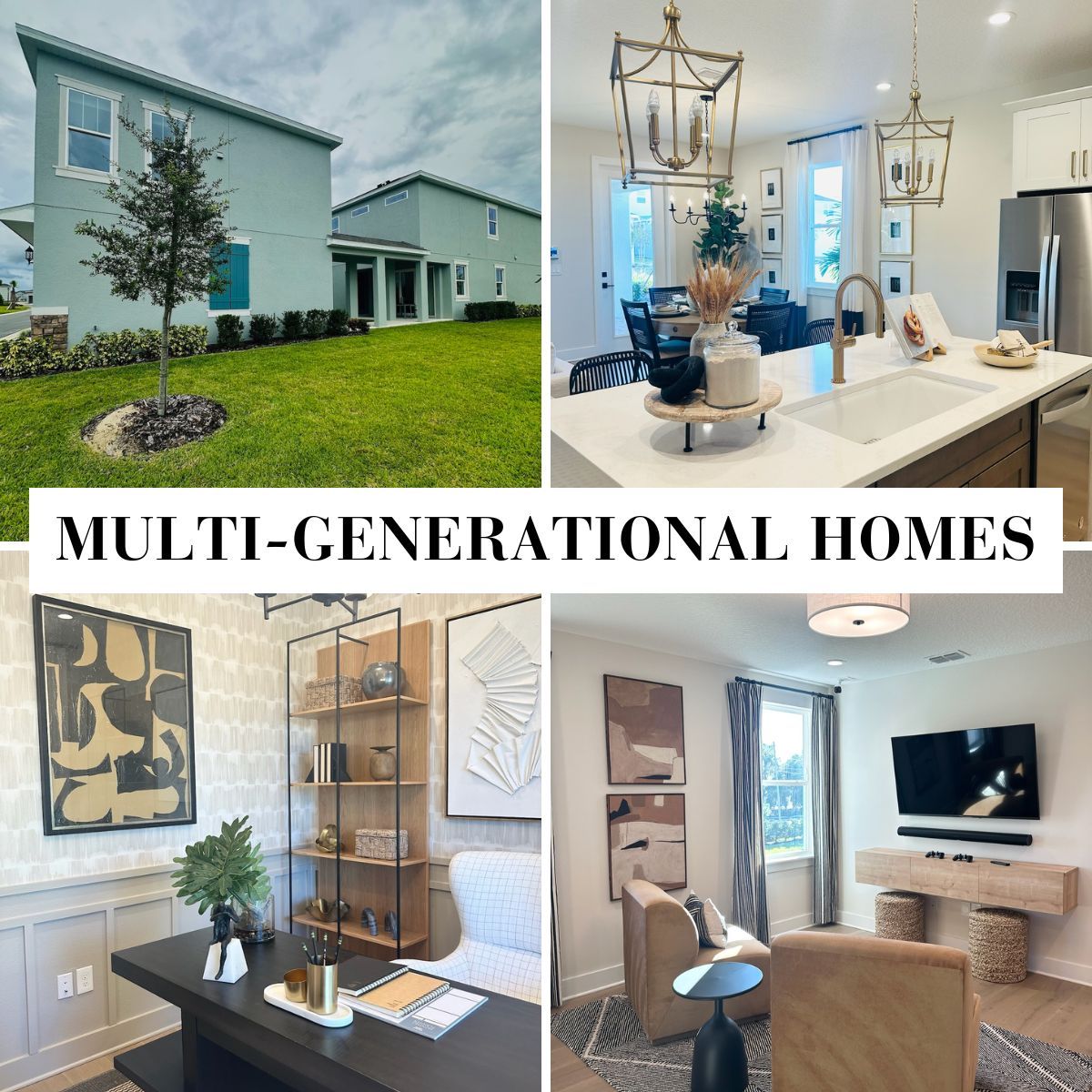
Multigenerational living isn’t just a niche concept anymore; it is rapidly becoming one of the most significant housing trends in the Orlando and Central Florida real estate market. What might have started as a temporary fix for affordability issues has evolved into a smart, long-term strategy for families planning their futures together.
As a real estate professional here in Florida, my phone rings constantly with buyers looking for the best investments. Historically, these conversations revolved around fix-and-flip properties or traditional duplexes. But those opportunities are becoming scarce in our current market.
Instead, I’m seeing a massive surge in demand for Multigenerational Living, often called "Next-Gen Living." Families are rethinking the American Dream, and for many, that dream now includes Grandma and Grandpa, or adult children, living just down the hall—or in their own private wing.
Here is why this trend is taking over Central Florida and how you can navigate it.
What Exactly Is Multigenerational Living?
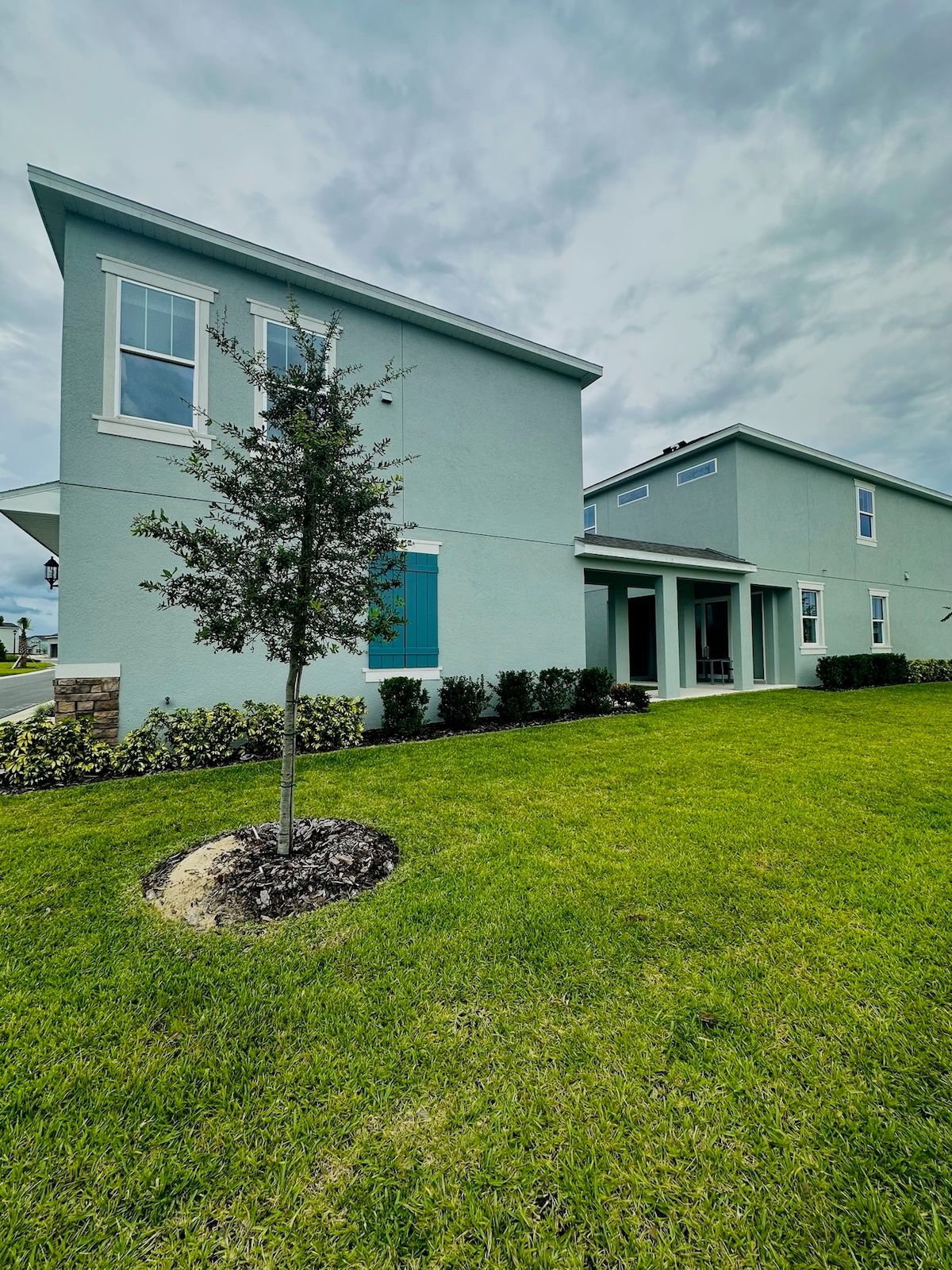
At its core, multigenerational living is defined as two or more adult generations sharing a single roof. This usually looks like:
- Parents living with adult children.
- Grandparents, parents, and grandchildren all together.
- Extended family members sharing a primary residence to split costs or care.
Modern multigenerational homes are a far cry from simply squeezing into a too-small house. Today’s designs are intentional. They balance togetherness with essential privacy, allowing family members to stay close without sacrificing their independence. It’s about connection, not crowding.
Why the Demand Is Rising in Florida
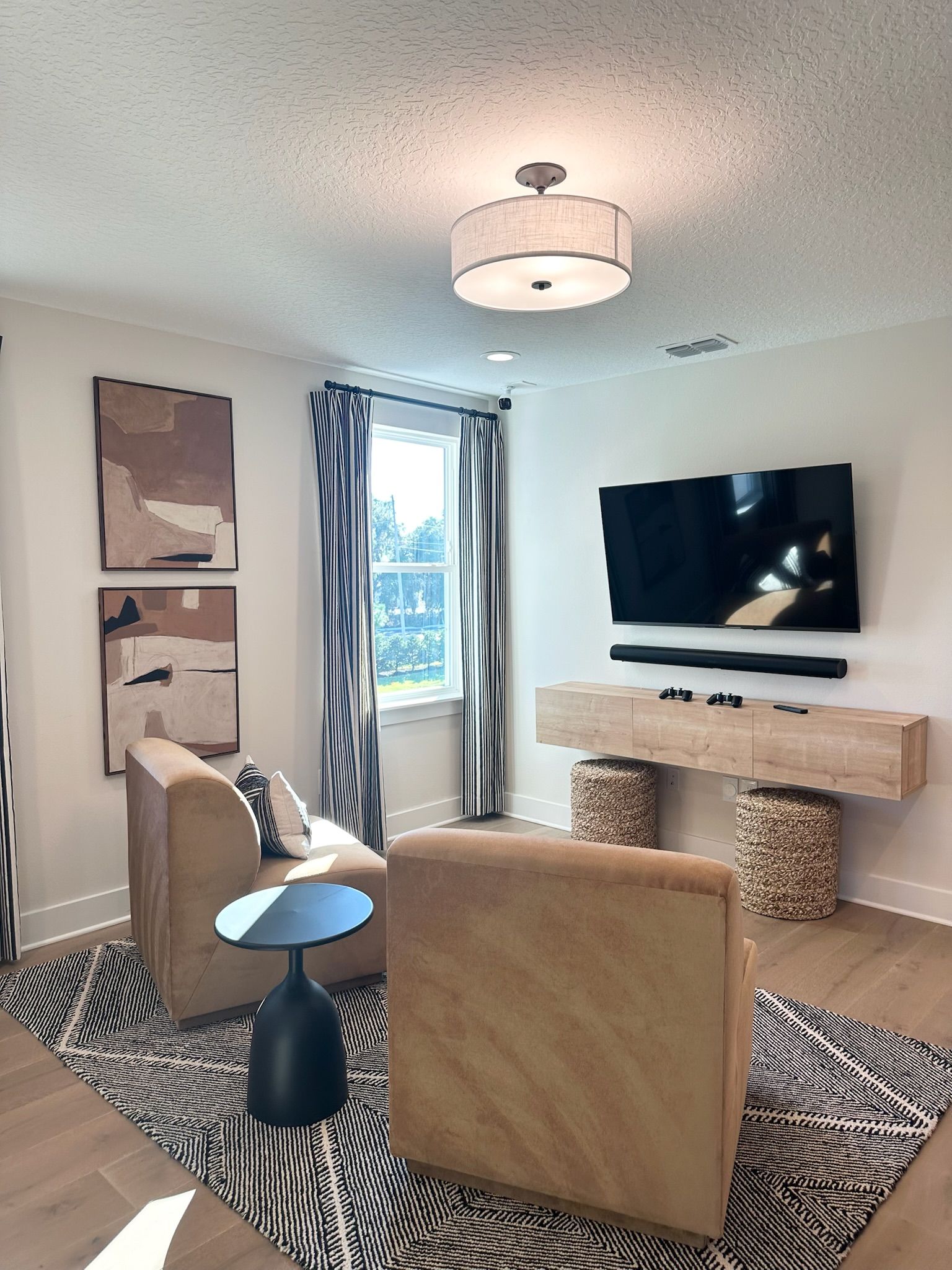
Several powerful factors are driving this shift in Orlando and the surrounding areas. It isn't just one thing; it's a convergence of economic and social changes:
- Combating Rising Costs: Sharing a mortgage, utilities, and maintenance costs significantly lowers the financial burden for everyone involved.
- Caregiving Support: Whether it's aging parents who need a watchful eye or grandparents helping with childcare, having family on-site is invaluable.
- The "Boomerang" Generation: Adult children are frequently returning home after college to save money while they launch their careers.
- Consolidating Wealth: Families are choosing to combine resources to buy one substantial asset rather than maintaining two separate, smaller households.
- Remote Work Needs: With more people working from home, families need flexible spaces that can serve as offices during the day and living quarters at night.
The data backs this up. According to the National Association of Realtors (NAR), 17% of buyers purchased multigenerational homes in 2024—a record high. Families are prioritizing affordability, caregiving, and connection, and this aligns perfectly with what I see on the ground in Central Florida.
How Builders Are Responding With New Floor Plans
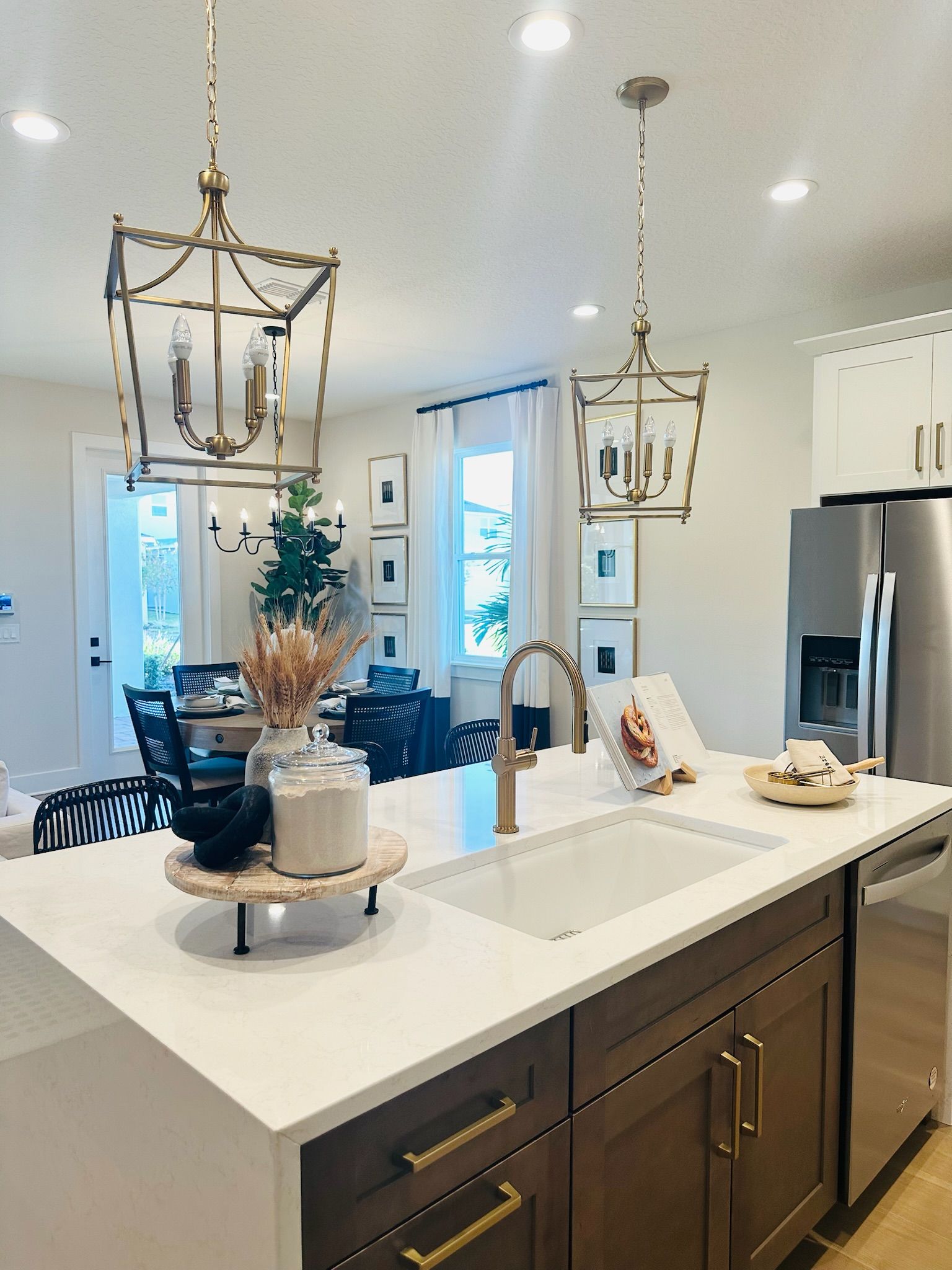
Homebuilders across Florida aren't ignoring this shift; they are actively redesigning their products to meet it. The days of the standard four-bedroom box are fading. As noted by Florida Realtors®, single-story homes with clearly defined privacy zones are making shared living much more functional.
Builders are now rolling out features specifically for this demographic, including:
- Dual Primary Suites: Two large bedrooms with attached baths, ensuring neither generation feels like they got the "kids' room."
- Private Entrances: Allowing family members to come and go without disrupting the main household.
- Casitas and In-Law Suites: Detached or semi-detached living spaces that offer total autonomy.
- Kitchenettes: Secondary food prep areas are a game-changer for independence.
- Accessory Dwelling Units (ADUs): Where zoning allows, these separate structures are perfect for total privacy.
These layouts are popping up frequently in Orlando’s new construction communities and are becoming highly sought after in the resale market.
The Market Outlook: Q4 2025 Into 2026
As we move through the end of 2025 and into 2026, this trend shows no signs of slowing. I am working with a growing number of homeowners who fit specific profiles:
- They own multiple properties and want to simplify.
- They have parents living independently in Florida who are ready to downsize.
- They have children in college or recently graduated who need a landing pad.
- They want an income potential attached to their primary residence to offset mortgage rates.
Many families are now proactively planning for these arrangements rather than reacting to a crisis.
Common Strategies for Making the Move
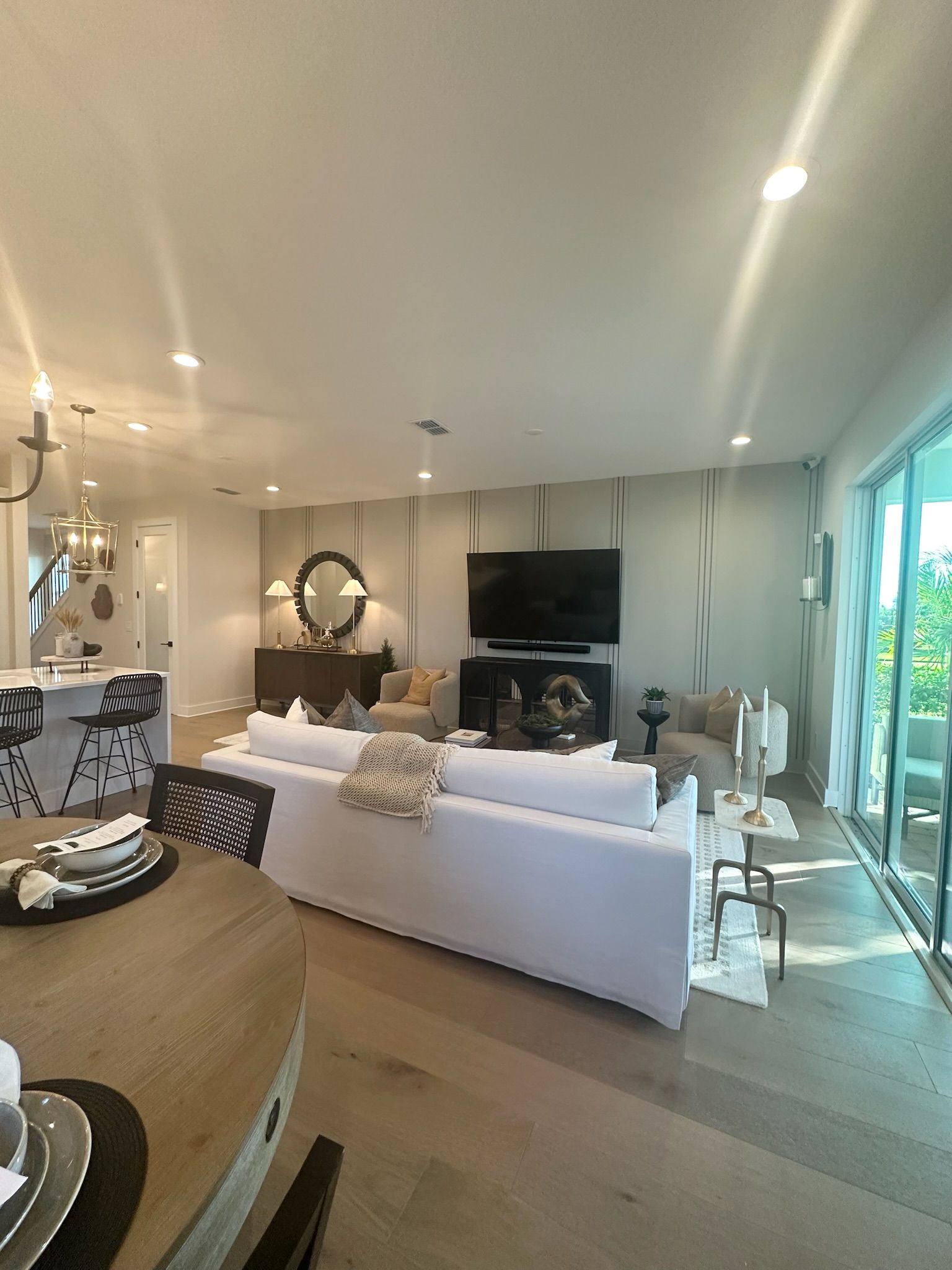
If you are thinking about this for your family, you might be wondering how to structure the move. In the Orlando area, most successful transitions happen in one of two ways:
1. Sell One Home, Combine Households
In this scenario, parents or grandparents sell their existing home and move in with family. This is often driven by a need for care or a desire to stop managing a separate property. The key here is finding a home with separate suites or entrances to maintain dignity and privacy.
2. Sell Both Homes and Buy New
This is often the cleanest break. Families sell multiple properties to pool their equity. They then purchase a large, single-story ranch or a two-level home with a garage apartment. This approach allows you to pick a property specifically designed for this lifestyle, such as one with a casita or an ADU. It preserves independence while keeping everyone supported.
Why Multigenerational Homes Are a Smart Investment
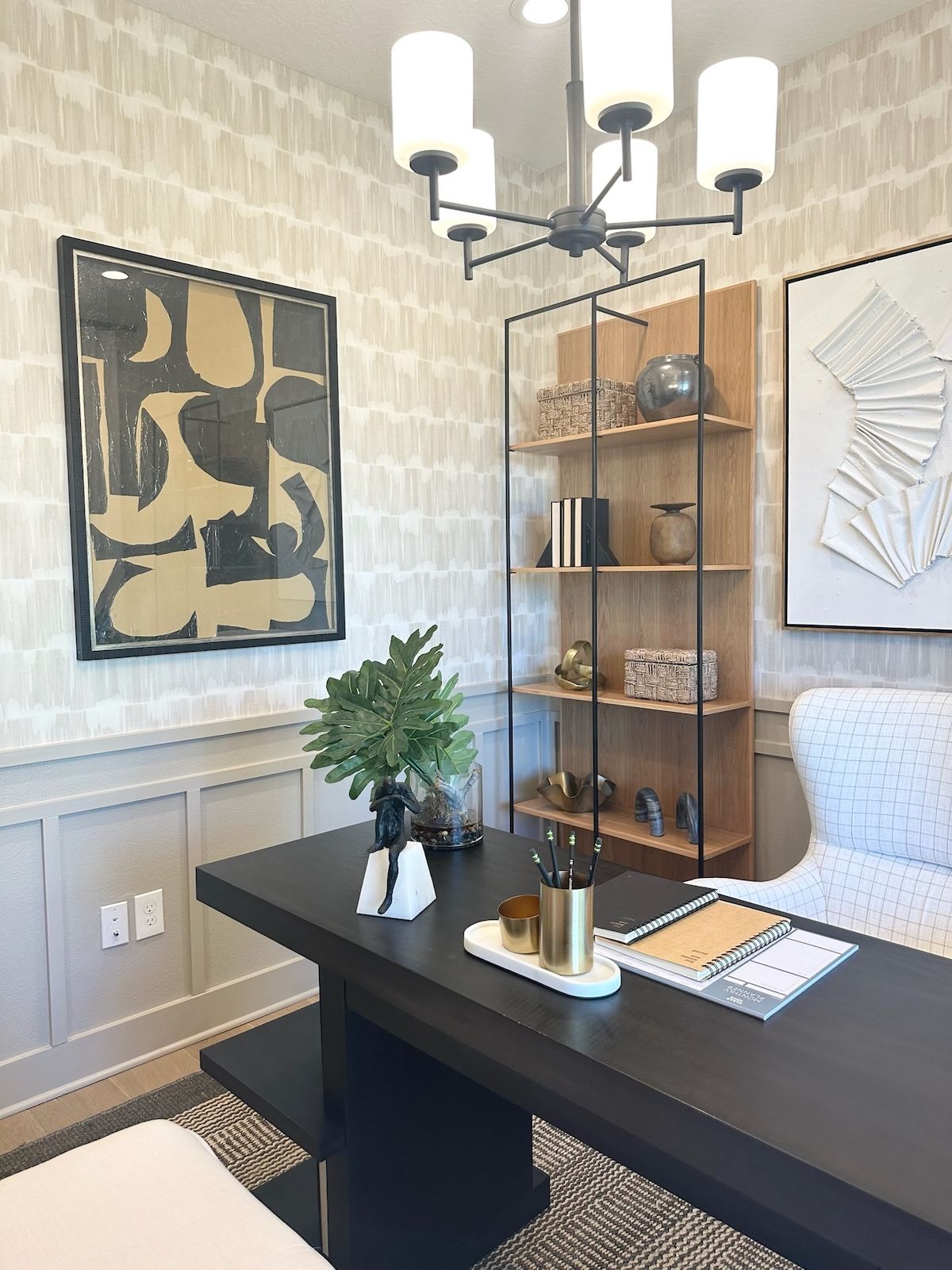
From a strictly financial perspective, these homes are winners. They offer built-in flexibility. If family needs change, that "in-law suite" easily becomes a home office, a guest wing, or potentially a rental unit for extra income.
In Central Florida, where population growth is colliding with an aging demographic, these homes have incredible resale appeal. You aren't just buying a home; you are buying a solution to a problem many families face.
Top Neighborhoods for Multigenerational Living
You can find opportunities for these types of homes across the region, generally ranging from $500,000 to $850,000. Here are the areas where I am seeing the most inventory and opportunity:
- Apopka: Great for larger lots and more space.
- Lake Nona (Orlando): A hub for medical city professionals and modern new construction.
- Horizon West (Winter Garden): Booming new development area with modern floor plans.
- Ocoee: Offers good proximity to the city with established neighborhoods.
- Clermont & Minneola: Known for rolling hills and newer, larger homes suitable for big families.
- Groveland: An up-and-coming area offering more house for your money.
Search Homes
Final Thoughts
Multigenerational living isn't a passing fad. It reflects a deeper shift in how families in Orlando and across Florida are planning for the future. Whether you are preparing for aging parents, helping kids transition post-college, or just looking for a smarter way to build wealth, this is a path worth exploring.
If you are ready to look at floor plans or discuss your family's specific needs, let’s connect. I can help you identify the right builders and neighborhoods to support your family's next chapter.